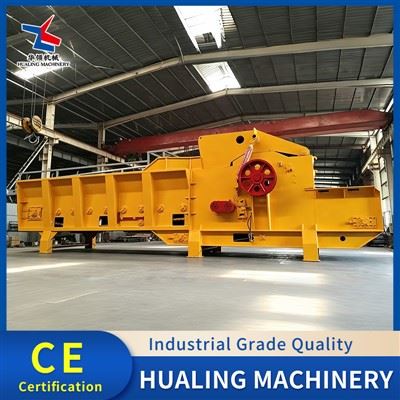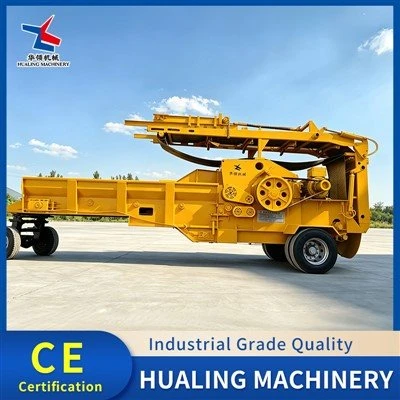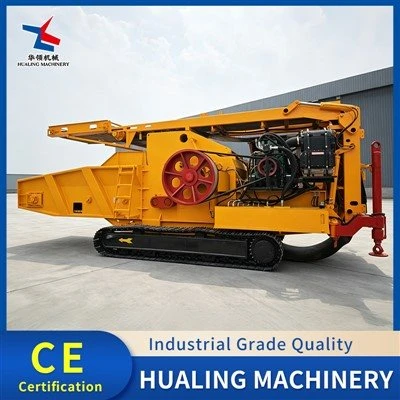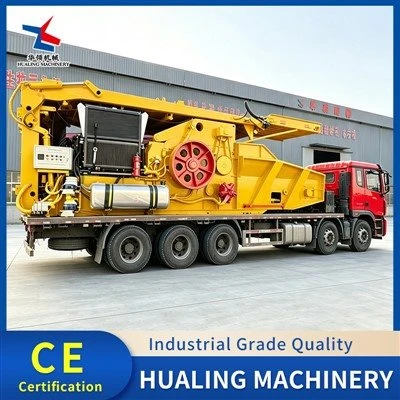

As a supplier of wood hammer mills, I understand the importance of proper transportation for our equipment. A wood hammer mill is a valuable machine used for processing wood materials into smaller particles, and it needs to be transported safely and efficiently to reach its destination in perfect condition. In this blog post, I will share some practical tips on how to transport a wood hammer mill.
Preparation Before Transportation
Before starting the transportation process, it is crucial to conduct a comprehensive inspection of the wood hammer mill. Check for any loose parts, damages, or signs of wear and tear. Tighten all bolts and nuts to ensure the stability of the machine. If there are any components that need to be replaced or repaired, do it before transportation to avoid further complications.
Next, make sure to clean the wood hammer mill thoroughly. Remove any debris, sawdust, or other materials inside the machine. This not only helps to prevent any damage during transportation but also makes it easier to reinstall and operate the mill at the new location.
It is also necessary to prepare all the necessary tools and equipment for transportation. This may include lifting slings, ropes, padding materials, and loading ramps. Ensure that these tools are in good condition and suitable for the weight and size of the wood hammer mill.


Choosing the Right Transportation Method
The choice of transportation method depends on several factors, such as the size and weight of the wood hammer mill, the distance to the destination, and the budget. Here are some common transportation methods for wood hammer mills:
Road Transport
Road transport is the most common method for transporting wood hammer mills, especially for short to medium distances. It offers flexibility and convenience, allowing the mill to be delivered directly to the customer's site. When choosing a truck for transportation, make sure it has enough loading capacity and is equipped with proper securing devices to prevent the mill from shifting during transit.
Rail Transport
Rail transport is a cost - effective option for transporting large and heavy wood hammer mills over long distances. Trains can carry a large amount of cargo, and the smooth movement of the train reduces the risk of damage to the mill. However, rail transport may require additional handling and transfer at railway stations, so proper packaging and securing are essential.
Sea Transport
For international shipments, sea transport is often the preferred choice. It is suitable for transporting large quantities of wood hammer mills at a relatively low cost. When shipping by sea, the mill needs to be properly packed in a shipping container to protect it from moisture, saltwater, and rough handling. The container should be sealed tightly and secured inside the ship to prevent movement.
Packaging the Wood Hammer Mill
Proper packaging is essential to protect the wood hammer mill during transportation. Here are some packaging guidelines:
Disassemble if Necessary
For larger wood hammer mills, it may be necessary to disassemble some parts to reduce the size and weight for easier transportation. Make sure to label all the parts clearly and keep them in a safe place. If possible, use a custom - made crate to pack the disassembled parts to prevent them from getting lost or damaged.
Use Protective Materials
Wrap the wood hammer mill with protective materials such as foam, bubble wrap, or rubber padding. This helps to absorb shocks and vibrations during transportation and prevents scratches and dents on the machine surface. Pay special attention to the vulnerable parts such as the motor, blades, and control panel.
Secure the Mill in the Container or Truck
Once the wood hammer mill is packed, it needs to be securely fastened in the transportation container or truck. Use ropes, chains, or straps to tie the mill down tightly to prevent it from moving. Place blocks or wedges around the mill to further stabilize it.
Loading and Unloading the Wood Hammer Mill
Loading and unloading are critical steps in the transportation process. Here are some safety tips:
Use Proper Lifting Equipment
When loading and unloading the wood hammer mill, use appropriate lifting equipment such as forklifts, cranes, or hoists. Make sure the lifting equipment is in good working condition and is operated by trained personnel. Follow the manufacturer's instructions for lifting capacity and operating procedures.
Maintain Stability
During loading and unloading, maintain the stability of the wood hammer mill. Keep the machine level and prevent it from tipping over. If necessary, use additional support or bracing to keep the mill in place.
Inspect After Unloading
After unloading the wood hammer mill, conduct another inspection to check for any damages that may have occurred during transportation. If any damage is found, document it immediately and contact the shipping company for compensation.
Custom - Made Solutions for Different Sizes of Wood Hammer Mills
We offer a range of wood hammer mills, including Small Wood Hammer Mill and Large Wood Hammer Mill. Each type requires a tailored transportation approach.
For small wood hammer mills, they are relatively lightweight and compact, which makes them easier to transport. Road transport is usually the best option, and they can be loaded onto a small truck or van directly. However, even though they are small, proper packaging and securing are still necessary to prevent any damage.
Large wood hammer mills, on the other hand, are heavy and bulky. They may require specialized transportation equipment such as low - bed trailers or heavy - duty trucks. In some cases, it may be necessary to obtain special permits due to their large size and weight. Additionally, for international shipments of large wood hammer mills, strict compliance with customs regulations and shipping requirements is vital.
Conclusion
Transporting a wood hammer mill requires careful planning, proper packaging, and safe handling. By following the tips mentioned above, you can ensure that your wood hammer mill reaches its destination in good condition. As a professional wood hammer mill supplier, we are committed to providing high - quality products and reliable transportation services. If you are interested in purchasing a wood hammer mill or have any questions about transportation, please feel free to contact us for further discussion and negotiation.
References
- "Industrial Equipment Transportation Guide", Published by an industry - specific research institution, details information on transporting various industrial equipment.
- Manufacturer's manuals for wood hammer mills, which provide specific guidelines on disassembly, assembly, and transportation of the products.