
Hey there, fellow packaging enthusiasts! As a supplier of wood peeling machines, I've been getting a bunch of questions lately about whether our machines can be used in the packaging industry. Well, let's dive right into it and find out!
The Basics of Wood Peeling Machines
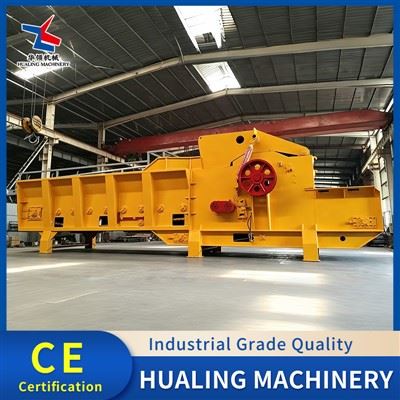
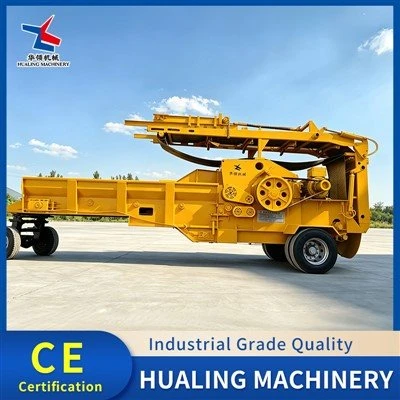
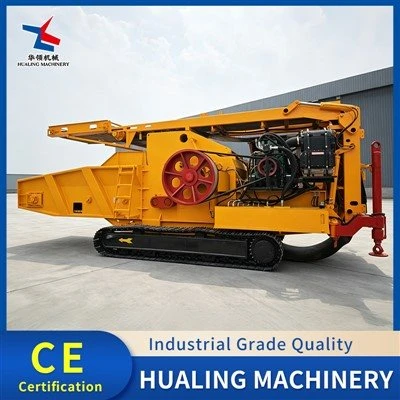
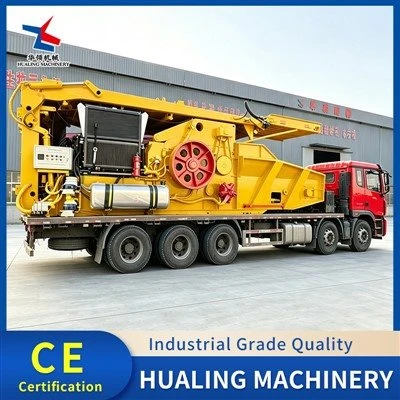
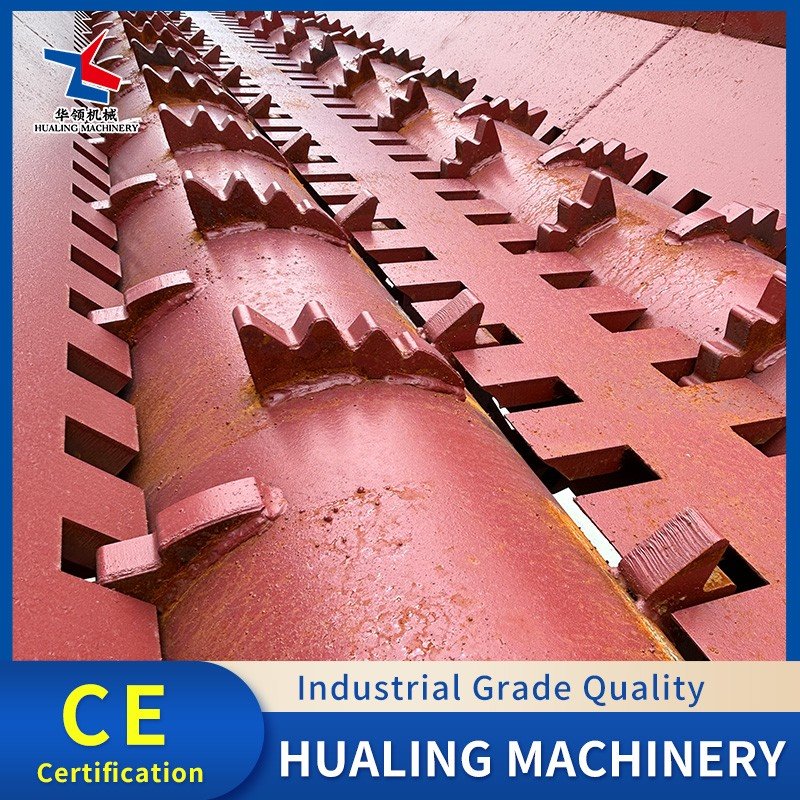
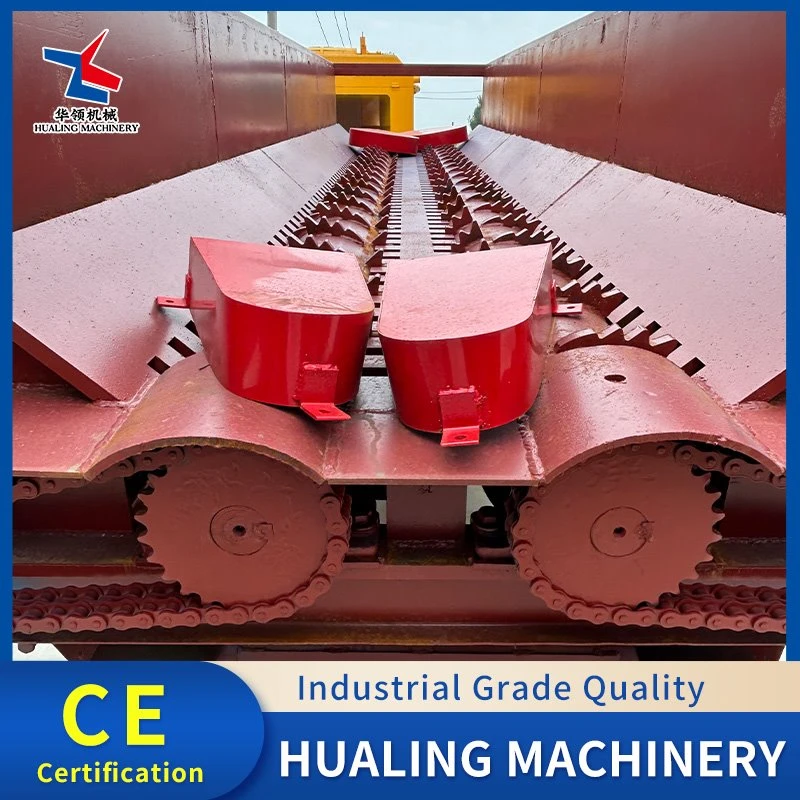
First off, let me give you a quick rundown of what wood peeling machines are all about. These bad boys are designed to remove the outer bark and sometimes a thin layer of wood from logs, turning them into smooth, ready - to - use wood materials. We offer two main types of wood peeling machines: the Double Roller Wood Skin Machine and the Single Roller Wood Skin Machine.
The Double Roller Wood Skin Machine is great for high - volume production. It uses two rollers to efficiently peel large logs, and the process is relatively fast. On the other hand, the Single Roller Wood Skin Machine is more suitable for smaller operations or when you need more precision in the peeling process.
Why Wood in the Packaging Industry?
Now, you might be wondering why wood would be relevant in the packaging industry. Well, wood has a bunch of advantages. For starters, it's a natural and renewable material. In a world where more and more consumers are concerned about the environment, using wood in packaging can be a huge selling point.
Wood is also strong and durable. It can provide excellent protection for the products inside the package. Whether you're shipping fragile electronics or heavy industrial parts, a wooden package can withstand a fair amount of rough handling during transit.
Another great thing about wood is its aesthetic appeal. It gives a warm, natural look to the packaging, which can make your product stand out on the shelves. Think about high - end wine bottles or luxury watches. A wooden box can add a touch of class and sophistication.
How Wood Peeling Machines Fit In
Okay, so now that we know why wood is good for packaging, let's talk about how our wood peeling machines come into play. When it comes to using wood for packaging, the surface quality of the wood is crucial. No one wants a package with rough, uneven wood that could potentially damage the product or look unprofessional.
Our wood peeling machines ensure that the wood has a smooth surface. The peeling process removes any bumps, knots, or irregularities on the log, leaving you with a clean and even surface. This is especially important if you're planning to print labels or branding on the wooden packaging. A smooth surface allows for better ink adhesion and a clearer print.
In addition, the peeled wood is more consistent in terms of thickness. This is essential for creating uniform packaging. If the wood thickness varies too much, it can lead to problems with the fit and finish of the package. Our machines can control the peeling thickness accurately, making sure that every piece of wood used in the packaging is of the right size.
Applications in the Packaging Industry
There are a ton of applications for peeled wood in the packaging industry. One of the most common uses is for wooden boxes. These can be used for all sorts of products, from food items to high - end consumer goods. The smooth, peeled wood gives the boxes a professional look, and the strength of the wood ensures that the contents are well - protected.
Wooden pallets are another big application. Pallets are used to transport and store goods in warehouses and during shipping. Our peeled wood can be used to make pallets that are not only strong but also more hygienic. The smooth surface is easier to clean and less likely to harbor dirt, dust, and bacteria compared to unpeeled wood.
We've also seen an increasing demand for wooden trays in the food packaging industry. Peeled wood trays can be used to display fruits, cheeses, or other food items in a more appealing way. The natural look of the wood adds a touch of authenticity to the food presentation.
Challenges and Solutions
Of course, there are some challenges when using wood in the packaging industry, and our wood peeling machines can help address them. One challenge is the presence of moisture in the wood. If the wood is too wet, it can warp or rot over time, which is a big no - no for packaging. Our machines can be adjusted to work with different types of wood, and we can recommend proper drying methods to ensure that the peeled wood has the right moisture content.
Another challenge is the cost. Some might think that using wood for packaging is expensive. However, our wood peeling machines are designed to be cost - effective. They have a high peeling efficiency, which means you can process more wood in a shorter time. This, in turn, reduces the overall cost per unit of peeled wood.
Industry Trends
The packaging industry is constantly evolving, and there are some trends that make wood peeling machines even more relevant. One trend is the increasing demand for sustainable packaging. As I mentioned earlier, wood is a renewable material, and using our peeled wood in packaging can help businesses meet their sustainability goals.
Another trend is the focus on custom packaging. With our wood peeling machines, you can easily customize the wood for different packaging needs. You can choose the type of wood, the peeling thickness, and even the finish. This allows you to create unique packaging that stands out from the competition.
Contact Us for More Information
If you're in the packaging industry and you're interested in using our wood peeling machines, we'd love to hear from you. Whether you have a small - scale operation or a large - scale manufacturing plant, our machines can be tailored to your specific needs. We can provide you with detailed information about the machines, including their specifications, performance, and pricing.
Don't hesitate to reach out and start a conversation. We're here to help you find the best wood peeling solution for your packaging requirements. Let's work together to take your packaging to the next level!
References
- Various industry reports on sustainable packaging and wood usage.
- Research studies on the mechanical properties of peeled wood for packaging applications.