
Product Parameters
|
Model |
HL1000-800 |
HL1300-800 |
HL1400-800 |
|
Feeding System |
Belt |
Belt |
Belt |
|
Feeding System Motor (KW) |
5.5,5.5 |
5.5-6,7.5 |
11,5-6/15 |
|
Feeding System Width (mm) |
1000 |
1300 |
1400 |
|
Feeding Conveyor Length (mm) |
5000 |
5000 |
5000 |
|
Feeding Speed(m/min) |
5.6 |
5.6 |
5.6 |
|
Discharge System Motor (KW) |
5.5 |
5.5 |
7.5 |
|
Discharge System Width (mm) |
900 |
1200 |
1400 |
|
Discharge conveyor length (mm) |
10000 |
10000 |
10000 |
|
Dimensions (mm) |
18000*2200*2100 |
18000*2400*2300 |
20000*2800*2600 |


Product Features and Applications
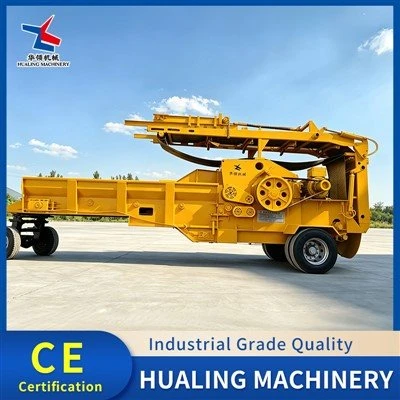
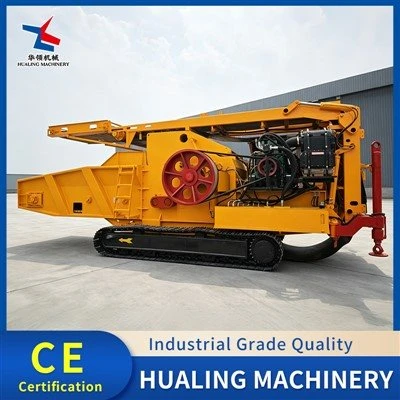
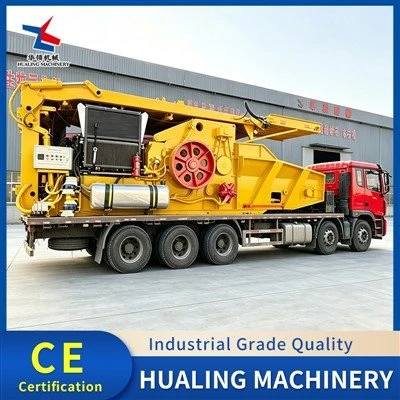
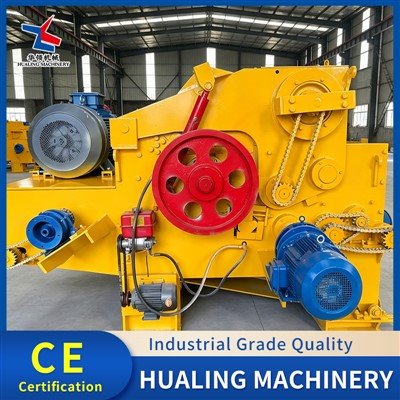
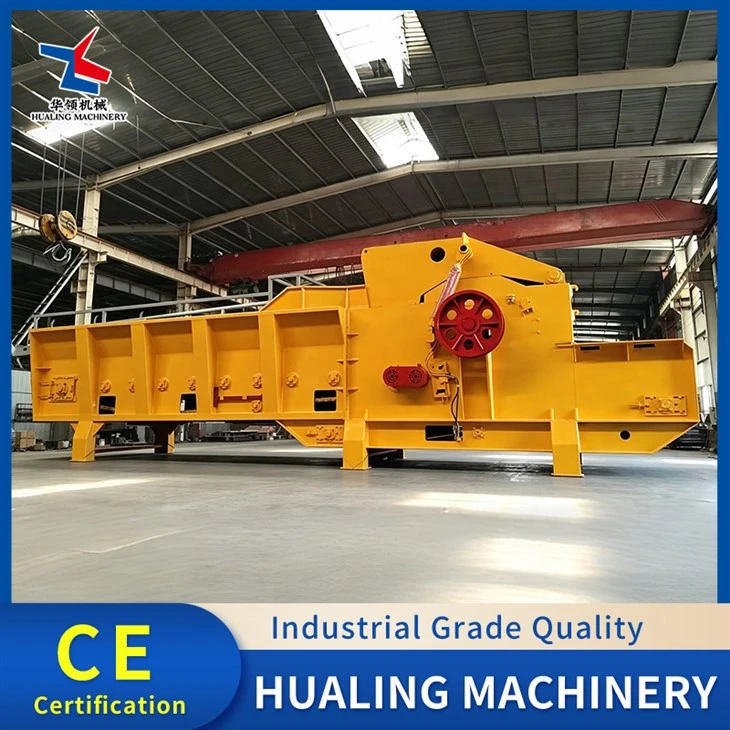
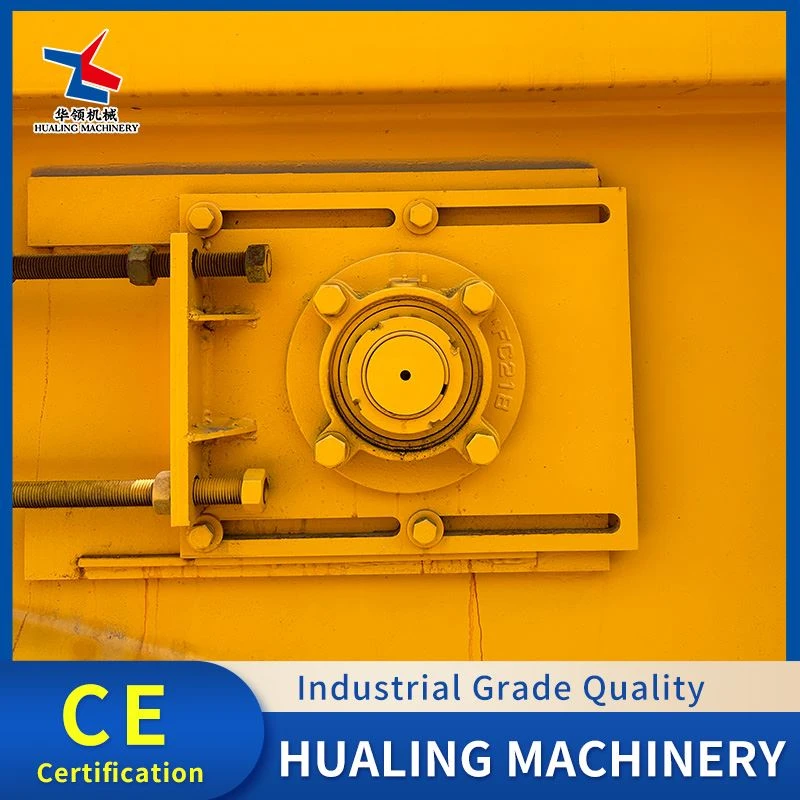
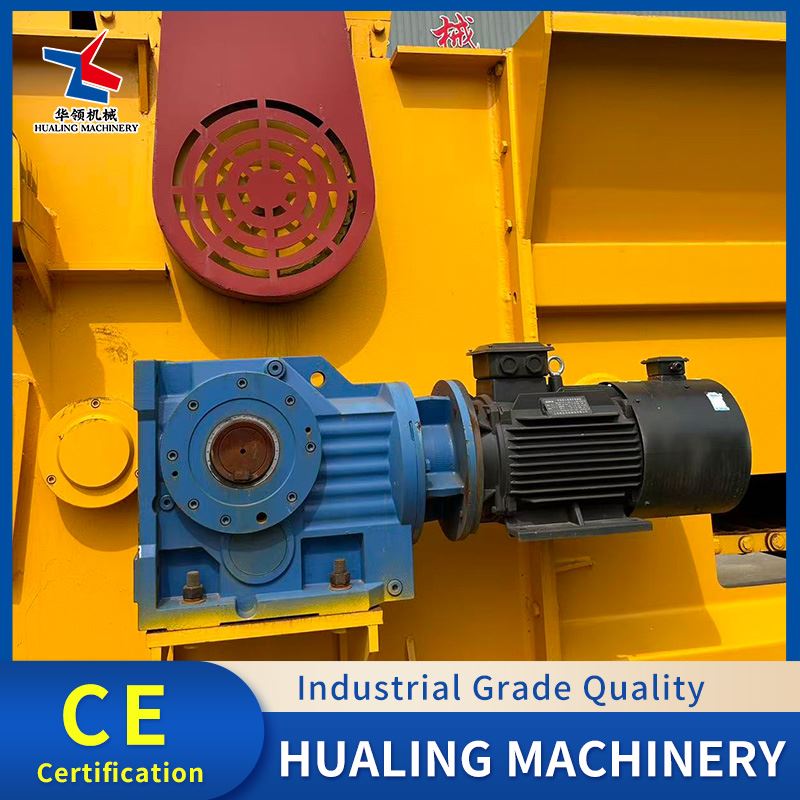
The motor of belt conveyor wood chipper replaces the original P-bearing with an F-bearing after the belt feed, making maintenance easier and more durable
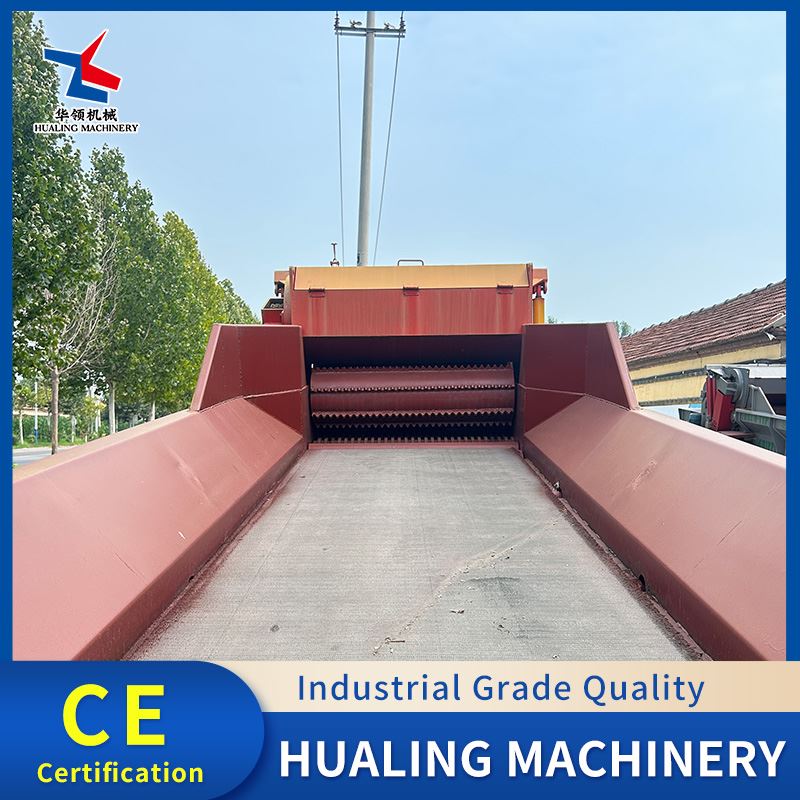
Uses a rubber-plastic belt for feeding, resulting in a longer lifespan
Suitable for clean small-diameter logs, branches, nail-free boards, boards without iron nails, and boards without heavy debris
Product Details
01.
Uses flexible belt conveyor, resulting in low noise, suitable for factory and workshop processing, and requires minimal space
02.
Machine capacity is 10-30 tons, supporting 24-hour continuous production
03.
Ideal for small and medium-sized board, paper, and clean bamboo and wood processing industries
Product Supporting (Certificates/Pictures)


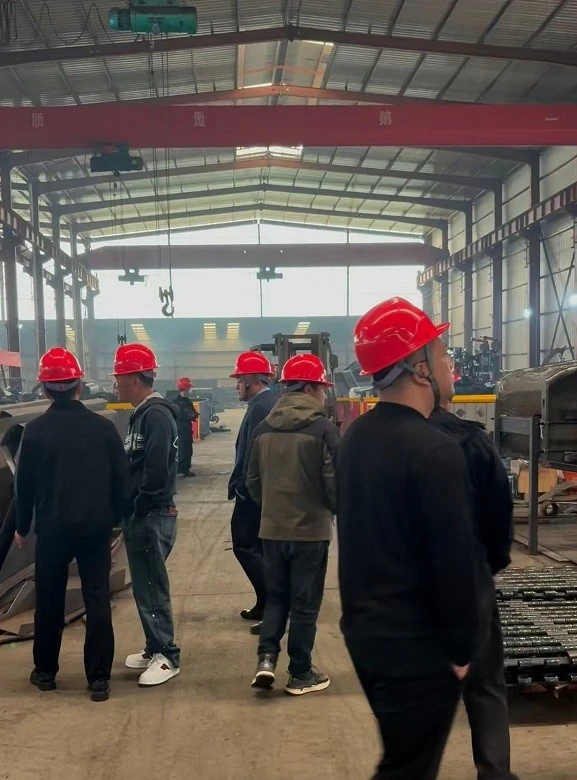
After-Sales Service (Videos or Pictures)
FAQ
1)Can a motor of belt conveyor wood chipper chipper chip construction formwork and timber with nails?
A: It's not recommended to directly process construction formwork with nails using a belt-fed wood chipper. The nails in the timber can scratch and cut the rubber feed belt, easily causing it to tear and break.
2)We are a small, newly established workshop with a daily output of 5 tons of timber. Should we choose a motor of belt conveyor wood chipper or a motor of chain conveyor wood chipper?
A: 5 tons per day is considered a small to medium production volume. If the raw materials are mostly branches, logs, and bark with few nails or other impurities, prioritize the motor-driven belt-feeding model. If the raw materials frequently include construction formwork, timber with nails, or heavy timber, choose the motor-driven chain-plate model.
3)What is the warranty coverage for the entire machine? Is there a list of vulnerable parts?
A: Excluding vulnerable parts, the entire machine is covered by a one-year warranty against non-human-caused damage within the warranty period.
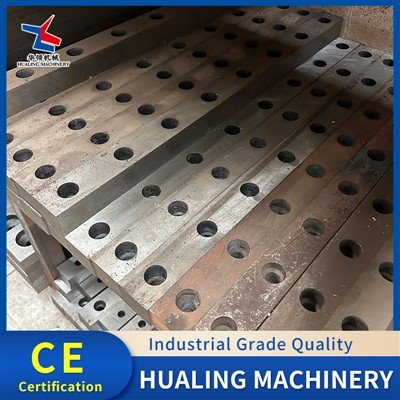
B: Spare parts: throwing knives, feed belt / chain plate, pressure rollers, bearings, screens, etc.
4)What should we do if the belt tears during machine operation?
A:①Immediately stop the machine and disconnect the power. Do not continue operation.
②Check the cause of the tear and remove any nails or hard metal objects from the material.
③Check the pressure roller pressure. Excessive pressure can accelerate belt breakage. Adjust the pressure to a reasonable level.
5)In what situations should we choose a motor of belt conveyor wood chipper? In what situations should we choose a motor of chain conveyor wood chipper?
A: Belt-feeding: Raw materials mainly consist of branches, logs, bark, and clean scraps, with almost no nails or metal debris; the material weight is relatively light; budget is limited.
B: Chain-plate-feeding: Raw materials often include construction templates, wood with nails, and heavy boards; the material is heavy and contains many impurities; the feeding impact is high; a puncture-resistant and tear-resistant feed is desired for long-term handling of mixed materials.
6)How do we solve the problem of material slippage and backward movement when using a motor-driven belt-fed wood chipper?
A:①Increase the clamping force of the feed roller to increase the gripping friction on the material;
②Check the wear on the belt surface to see if it needs to be replaced;
③Check the blades; dull blades increase cutting resistance, making the material more likely to bounce back;
④Appropriately reduce the feed speed to decrease feeding resistance.
Hot Tags: motor of belt conveyor wood chipper, China motor of belt conveyor wood chipper manufacturers, suppliers, factory