
Product Parameters
|
Model |
HL1000-800 |
HL1300-800 |
HL1400-800 |
|
Feeding Method |
belt feed |
belt feed |
belt feed |
|
Feed Width (mm) |
1000 |
1300 |
1400 |
|
Feed Hydraulic Motor Reducer |
BMV-5 |
BMV-8 |
BMV-8 |
|
Discharge Hydraulic Motor |
BMV-5 |
BMV-5 |
BMV-5 |
|
Conveying Length (mm) |
5000 |
5000 |
5000 |
|
Feeding Speed (m/min) |
5.6 |
5.6 |
5.6 |
|
Discharge Width (mm) |
900 |
1200 |
1400 |
|
Discharge Conveying Length (mm) |
8000 |
8000 |
8000 |
|
Dimensions (mm) |
18000*2600*3200 |
18000*2800*3200 |
20000*3000*3700 |
Product Features and Applications
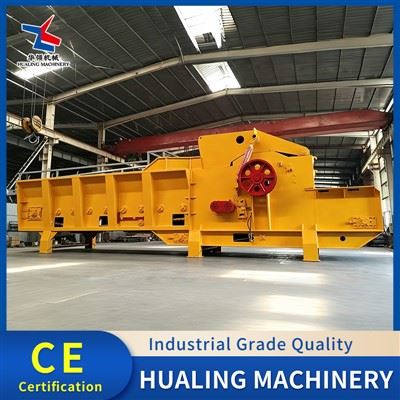
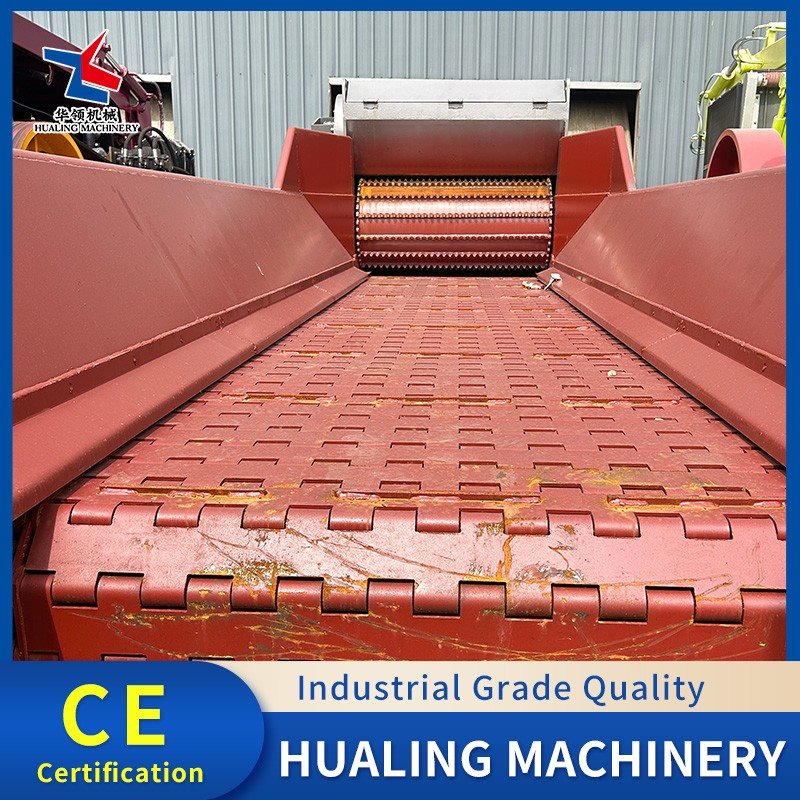
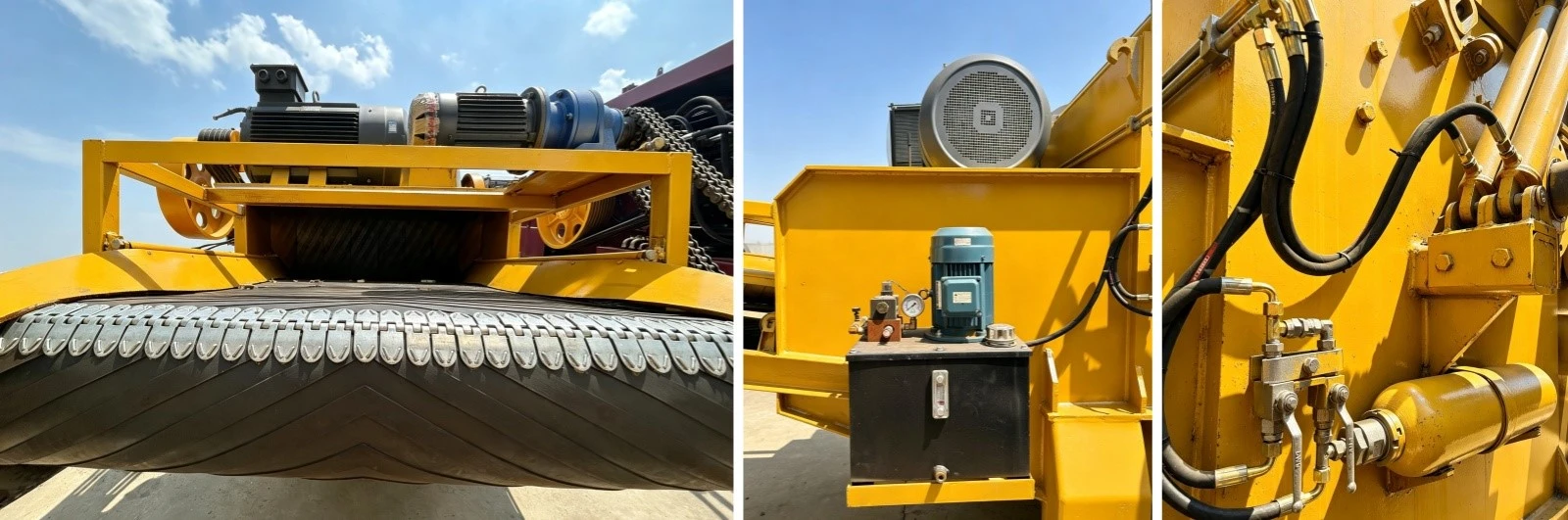
The belt feeding system of the truck-mounted wood chipper uses flexible conveying, resulting in low operating noise and no damage to intact wood chips
Low purchase price and low parts cost; belt replacement is simple and inexpensive
Suitable materials include clean branches, small-diameter logs, bamboo branches, bark, and garden trimmings
Product Details
01.
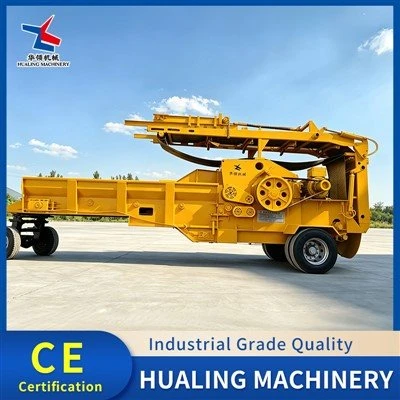
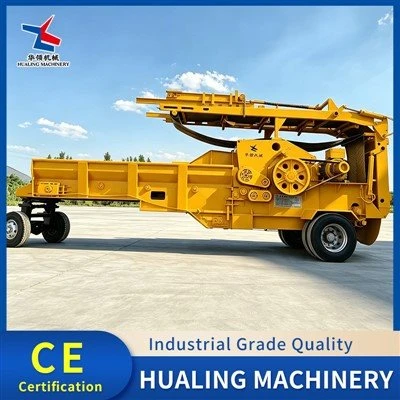
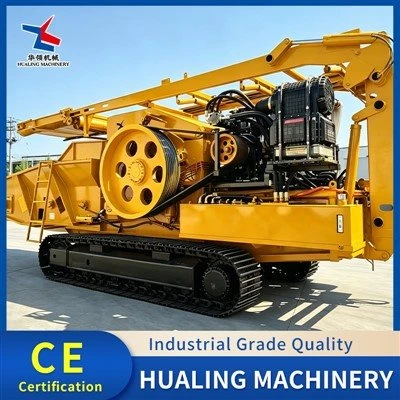
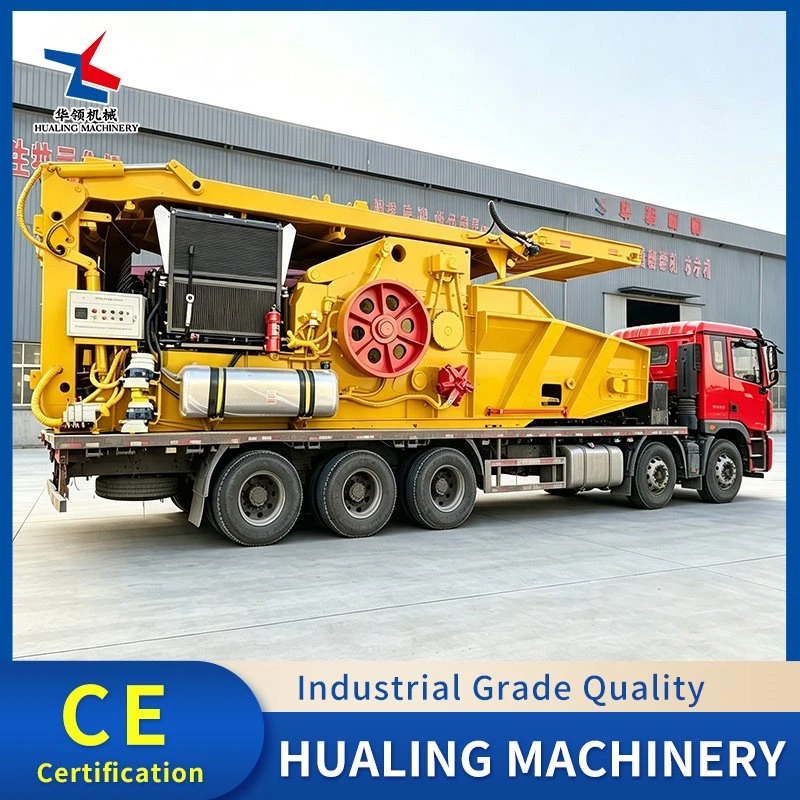
The chassis is fixed to a trailer for easy road transport and site changes
02.
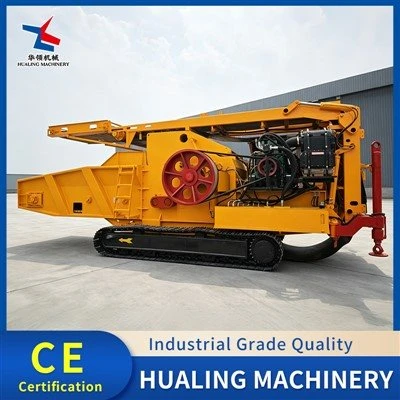
The power system uses a diesel engine, providing stronger power and better crushing effect for field operations
03.
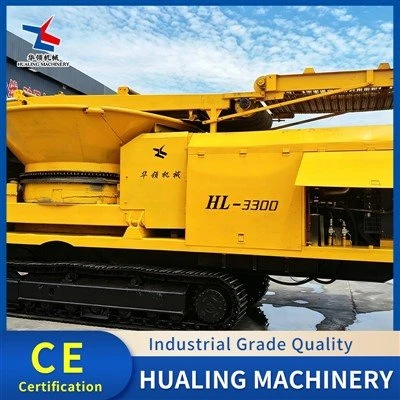
Truck-mounted wood chipper cutting main unit uses a drum-type flying knife cutting chamber; the screen can be replaced to adjust the wood chip size
Product Supporting (Certificates/Pictures)


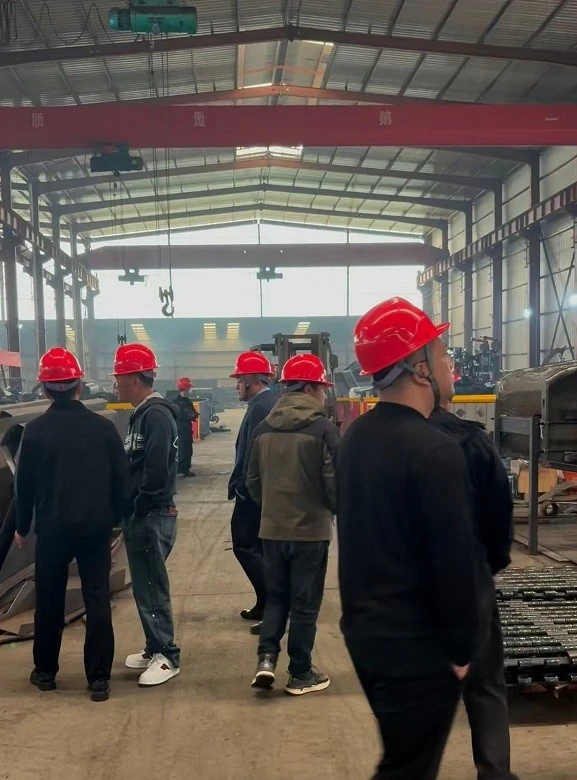
After-Sales Service (Video or Photos)
FAQ
1)The municipal government needs to prune tree branches for landscaping. Should we choose a truck-mounted belt type wood chipper or a truck-mounted chain type wood chipper?
A: Municipal landscaping materials mostly consist of pruned branches, thin twigs, and a small amount of wet material with leaves. Impurities are mainly soil, with fewer nails and large, hard debris. The vehicle-mounted belt-fed type is preferred
2)Can a truck-mounted belt-type wood chipper be converted to a truck-mounted chain-type feeding system later?
A: Later conversion is not recommended. The pressure roller brackets, transmission reducers, frame mounting positions, and stress structures of belt-fed and chain-fed types are different; it's not a simple matter of replacing the feeding components
3)How to handle slippage and feed backwards when processing wet wood?
A: ①Increase the clamping force of the feeding pressure rollers appropriately to increase clamping friction.
②Check the working surface of the belt rubber.
③Shake off as much surface soil as possible from wet branches, as soil reduces friction.
④Grind or replace the fly cutter promptly.
⑤Control the feed rate
4)Does the machine need to be disassembled and reassembled when moving to another location? How long after arrival can it start operation?
A: No equipment disassembly or reassembly is required during relocation; work can begin within 5-15 minutes
5)What is the fuel consumption of the truck-mounted belt-type model?
A: Actual fuel consumption is affected by the thickness of the branches, their dryness or wetness, and the amount of feed, approximately 1L/T
6)How should we repair a torn belt during use? How should it be maintained routinely?
A: Repair:①Immediately stop the machine and disconnect the power; do not continue operation.
②Small cracks and surface scratches: Rubber bonding can be used for temporary emergency use, suitable only for temporary relief and not for long-term reliance.
③Larger tears, delamination, or extensive rubber damage: Replace with the same model and specifications of feed belt, adjust the tension of the pressure roller, and correct any misalignment.
Routine Maintenance: ①Clean the belt gaps of dirt and branches after each shift.
②Avoid getting engine oil or diesel fuel on the belt; oil will accelerate the aging and cracking of the rubber.
③Regularly check the belt for cracks, delamination, and misalignment.
Hot Tags: truck-mounted wood chipper, China truck-mounted wood chipper manufacturers, suppliers, factory, chipper truck with chipper, conveyor belt chipper, hydraulic wood chipper for tractor, industrial mobile wood chipper, wood chipper conveyor belt, wood chipper with hydraulic feed