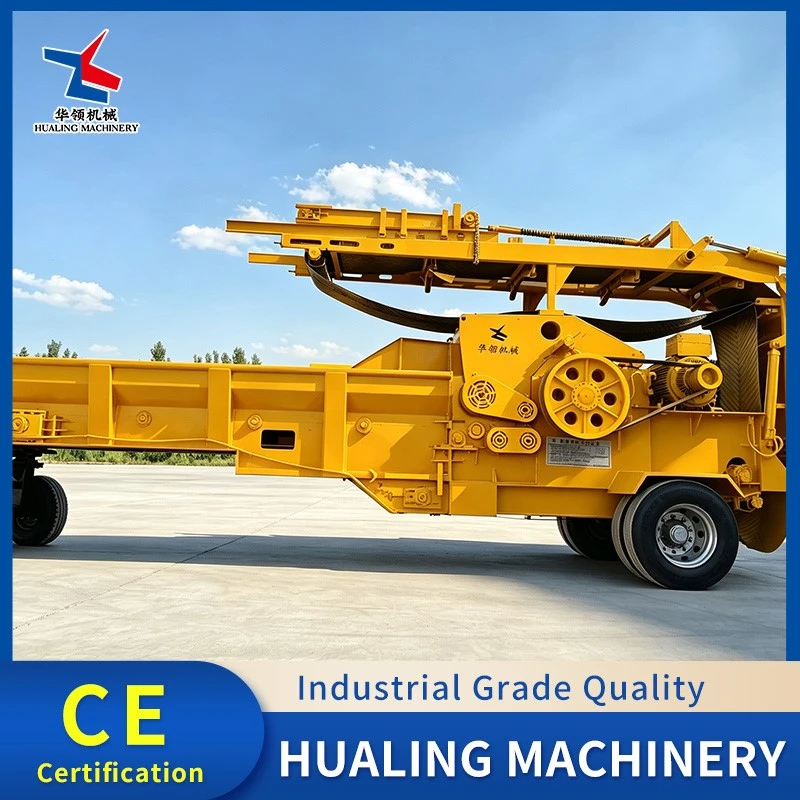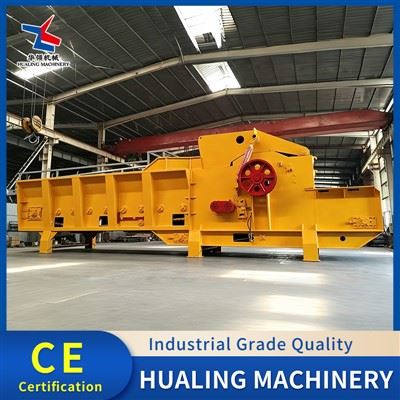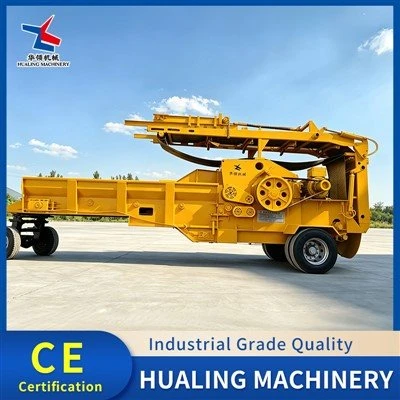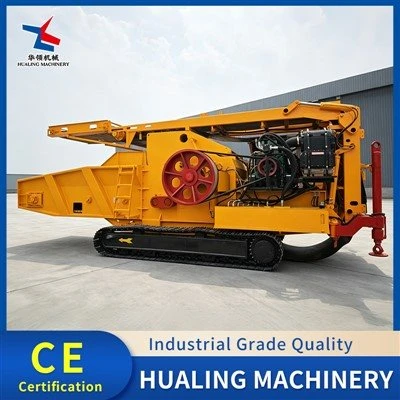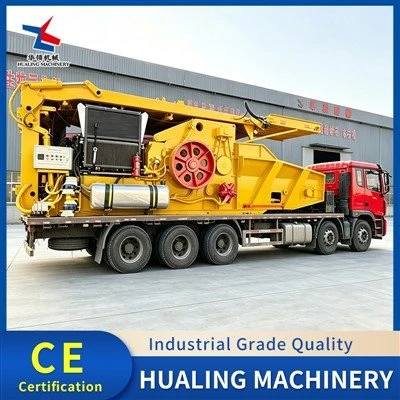

With the rapid development of industrialization, tire shredders are playing an increasingly important role in many fields. A tire shredder is a mechanical device that crushes, tears, and grinds waste tires. Its applications are wide-ranging, including tire recycling, reclaimed rubber production, and fuel production. Therefore, continuously improving tire shredder technology is of great significance for increasing production efficiency, reducing energy consumption, and protecting the environment.
Improving Production Efficiency As a mechanical device, the most basic function of a tire shredder is to crush tires. However, traditional tire shredders have some problems with crushing efficiency. On the one hand, traditional tire shredders have limited crushing capacity, which cannot meet the needs of large-scale production; on the other hand, traditional tire shredders are prone to jamming and clogging during the crushing process, resulting in low production efficiency. Therefore, continuously improving tire shredder technology and increasing its crushing efficiency is essential.
The limited crushing capacity of traditional tire shredders can be addressed by optimizing the shredder design. For example, more advanced and efficient crushing blades can be used, the volume of the crushing chamber can be increased, and the structure of the crushing chamber can be optimized to improve the crusher's crushing capacity. To address issues like jamming and blockage during the crushing process, intelligent control technology can be introduced. Sensors and control systems can monitor and adjust the crusher's operating status in real time, ensuring the stability and continuity of the crushing process.
Reducing Energy Consumption With increasingly scarce energy resources, reducing energy consumption has become a common goal for all industries. As a type of mechanical equipment, tire shredders consume a considerable amount of energy. Traditional tire shredders consume significant amounts of electricity and water during operation, and some also consume heat and other forms of energy. Therefore, continuously reducing the energy consumption of tire shredders and improving their energy utilization efficiency is crucial.
The energy consumption problem of tire shredders can be addressed through optimization and improvement in several aspects. For example, more efficient motors and transmission systems can be used, and the mechanical structure of the crusher can be optimized to reduce friction and resistance. Simultaneously, advanced sensing and control technologies can be employed to monitor and adjust the crusher's operating status in real time, avoiding ineffective energy consumption. Furthermore, renewable energy and energy-saving technologies, such as solar and wind power, can be introduced to further reduce the energy consumption of tire shredders.
Environmental Protection: The disposal of waste tires has always been a significant issue in environmental protection. Traditional methods of waste tire disposal often result in environmental pollution and resource waste. However, using tire shredders to shred waste tires can effectively solve these problems. Therefore, continuously improving the technology of tire shredders and enhancing their environmental performance is essential.
To better protect the environment, a series of measures can be taken to optimize and improve tire shredders. For example, more advanced dust removal and noise reduction technologies can be introduced to reduce pollution to the surrounding environment during operation. Simultaneously, the design and manufacturing processes of the shredder can be optimized to improve its reliability and durability, extending its service life. Furthermore, strengthening the maintenance and upkeep of tire shredders ensures they are always in good working order.