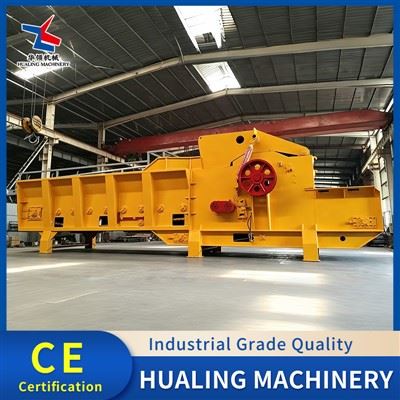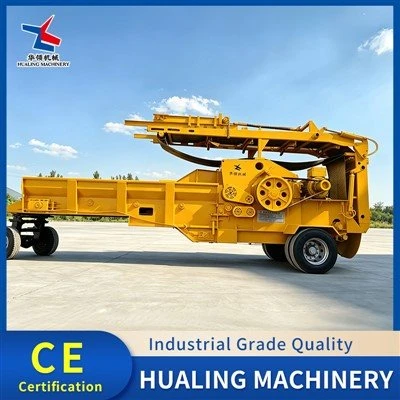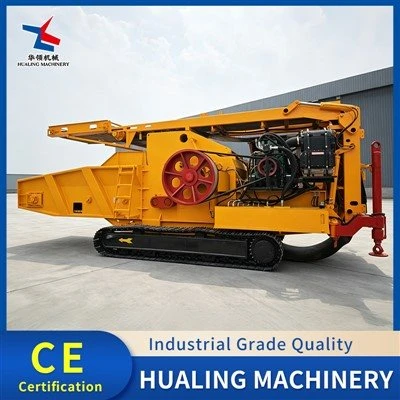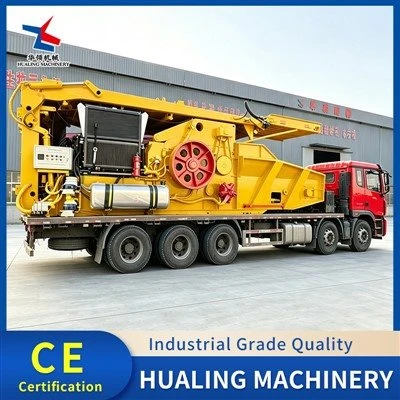

A drum wood chipper is a powerful and versatile piece of equipment used in various forestry, landscaping, and wood processing applications. However, like any machinery, it can encounter common problems that may disrupt its operation. As a supplier of Drum Wood Chipper, I understand the importance of being able to troubleshoot these issues effectively. In this blog post, I will share some insights on how to identify and resolve common problems with a drum wood chipper.
1. Chipper Fails to Start
One of the most common issues users face is when the drum wood chipper fails to start. There are several potential causes for this problem, and here are some steps you can take to troubleshoot it.
Check the Fuel System
- Fuel Level: Ensure that there is an adequate amount of fuel in the tank. Sometimes, a simple oversight of low fuel can prevent the chipper from starting.
- Fuel Quality: Poor - quality fuel can cause starting problems. If the fuel has been sitting in the tank for a long time, it may have degraded. Drain the old fuel and refill the tank with fresh, clean fuel.
- Fuel Lines: Inspect the fuel lines for any signs of leaks, cracks, or blockages. A blocked fuel line can prevent fuel from reaching the engine. If you find a blockage, carefully clean the fuel line, or replace it if necessary.
Examine the Spark Plug
- The spark plug is responsible for igniting the fuel - air mixture in the engine. Remove the spark plug and check its condition. If it is dirty, fouled, or damaged, clean or replace it. A good spark plug should have a clean electrode and a strong spark when tested.
- Check the spark plug gap. If the gap is too large or too small, it can affect the ignition process. Refer to the chipper's manual for the correct spark plug gap and adjust it accordingly.
Review the Ignition System
- Make sure the ignition switch is in the "on" position and that the safety switches are functioning properly. Some drum wood chippers have safety switches that prevent the engine from starting unless certain conditions are met, such as the feed hopper being closed.
2. Poor Chipping Performance
If the drum wood chipper is not chipping the wood as efficiently as it should, the following factors could be the cause.
Knife Sharpness
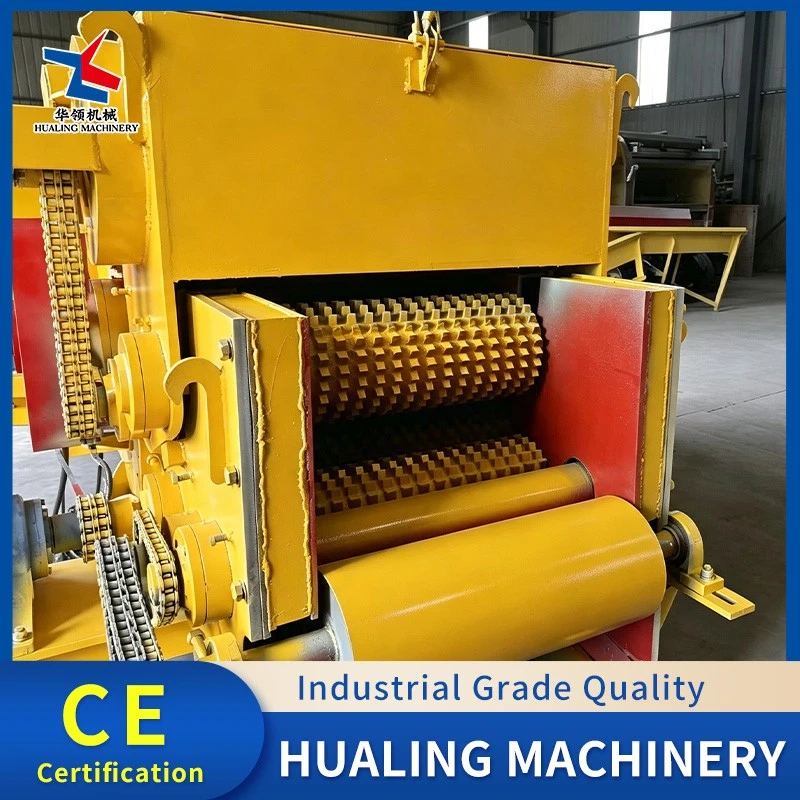
- The knives on the drum are crucial for effective chipping. Over time, the knives can become dull, which will result in poor chipping performance. Check the sharpness of the knives regularly. If they are dull, they should be sharpened or replaced.
- Follow the manufacturer's instructions for sharpening the knives. Some chippers use carbide - tipped knives that may require professional sharpening.
Feed Rate
- The feed rate of the wood into the chipper is important. If the wood is fed too quickly, the chipper may become overloaded and unable to chip the wood properly. On the other hand, if the feed rate is too slow, it can also reduce efficiency.
- Pay attention to the type and size of the wood being fed. Larger and denser wood may require a slower feed rate.
Drum Speed
- The speed of the drum affects the chipping performance. If the drum speed is too slow, the wood may not be chipped effectively. Check the drum speed and ensure it is operating within the recommended range specified in the manual. Some chippers allow you to adjust the drum speed to optimize performance.
3. Unusual Noises
Unusual noises coming from the drum wood chipper can indicate a problem that needs to be addressed promptly.
Loose Components
- Inspect the chipper for any loose bolts, nuts, or other components. During operation, vibrations can cause these parts to loosen. Tighten any loose components to prevent further damage and reduce noise.
- Check the housing of the chipper. A loose housing can also produce rattling noises. Make sure the housing is securely attached and there are no gaps or misalignments.
Bearing Issues
- The bearings in the drum and other moving parts are critical for smooth operation. If you hear grinding or squeaking noises, it may be a sign of bearing wear or damage. Check the bearings for excessive play, heat, or noise. Replace any worn - out bearings as soon as possible.
Knife Contact
- Sometimes, the knives may come into contact with other parts of the chipper, causing a scraping or banging noise. Check that the knives are properly installed and aligned. Adjust the knife position if necessary to prevent unwanted contact.
4. Jammed Feed Hopper
A jammed feed hopper can stop the chipping process and cause frustration.
Clear the Blockage
- First, turn off the chipper and unplug it (if it is an electric model) or turn off the fuel valve and let the engine cool down (if it is a gas - powered model).
- Use a long, sturdy tool to carefully remove any wood that is stuck in the feed hopper. Avoid using your hands to prevent injuries.
- Check if there are any foreign objects, such as rocks or metal, in the feed hopper that may have caused the blockage. Remove these objects and inspect the wood before feeding it into the chipper in the future.
Check the Feed Mechanism
- The feed mechanism may also be the culprit. Inspect the conveyor belts, rollers, or other feed components for any signs of damage or malfunction. If a component is damaged, replace it according to the manufacturer's instructions.
5. Comparison with Disc Wood Chipper
It is worth noting that while drum wood chippers are popular, Disc Wood Chipper also has its own characteristics. Disc wood chippers generally offer a higher production rate and are more suitable for handling larger - diameter logs. Drum wood chippers, on the other hand, are more versatile and can produce a more uniform chip size. Understanding these differences can help users choose the right chipper for their specific needs and also troubleshoot more effectively based on the type of chipper they have.
As a supplier of drum wood chippers, we are committed to providing high - quality products and comprehensive after - sales support. If you have tried the above troubleshooting steps and still encounter problems with your drum wood chipper, or if you are considering purchasing a new chipper, we invite you to reach out for a detailed discussion. Whether you need more information about our products, assistance with installation, or further troubleshooting guidance, our team of experts is ready to help. Let us work together to find the best solutions for your wood chipping requirements.
References
- Manufacturer's manuals of drum wood chippers
- Industry - specific literature on wood processing equipment maintenance and troubleshooting