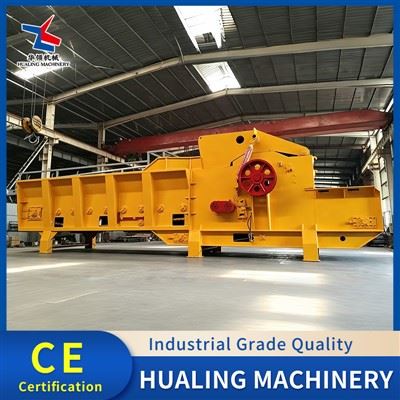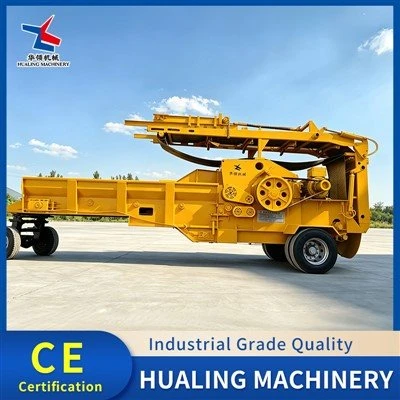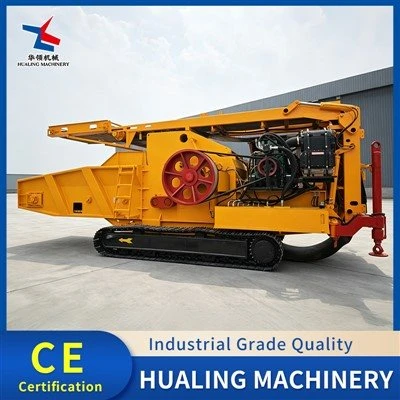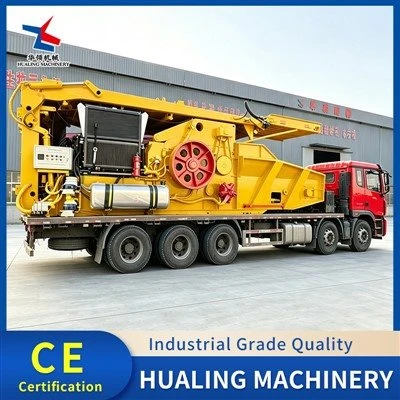

Hey there! As a supplier of belt - type wood chippers, I've been in the thick of it when it comes to these bad boys. Belt - type wood chippers are a staple in the wood processing industry, turning tree branches, logs, and other wood waste into useful wood chips. But just like any machinery, their stability is super important. Let's dig into what factors can affect the stability of a belt - type wood chipper.
1. Design and Structure
The very foundation of a belt - type wood chipper's stability lies in its design and structure. A well - designed chipper should have a low - center - of - gravity layout. This means that the heavy components, like the engine and the chipper blades, are positioned close to the ground. A lower center of gravity reduces the risk of the chipper tipping over, especially when it's operating on uneven terrain.
Another structural aspect is the frame integrity. The frame needs to be made of high - quality, durable materials that can withstand the vibrations and forces generated during the chipping process. A flimsy frame will lead to excessive shaking and wobbling, which not only affects the stability of the chipper but also its overall performance. For instance, if the frame isn't rigid enough, the belt drive system may not function properly, causing the belt to slip or even break.
2. Belt Drive System
The belt drive system is a crucial part of a belt - type wood chipper, and its condition directly impacts stability. First off, the tension of the belts is key. If the belts are too loose, they can slip on the pulleys, leading to inconsistent power transmission and potential jams. On the other hand, if the belts are overly tight, it can put unnecessary stress on the drive components, such as the bearings and the motor.
The alignment of the pulleys is also important. Misaligned pulleys can cause the belts to wear out unevenly and create vibrations. These vibrations can then spread throughout the chipper, making it unstable. Regular maintenance of the belt drive system, including checking the belt tension and pulley alignment, is essential to keep the chipper running smoothly. You can find more details about the motor of belt conveyor wood chipper at Motor Of Belt Conveyor Wood Chipper.
3. Engine and Power Source
The engine is the heart of the belt - type wood chipper, and its performance affects stability in several ways. A powerful and reliable engine is necessary to handle the load of the chipping process. If the engine is underpowered, it may struggle to keep up with the demand, causing the chipper to slow down or stall. This can lead to uneven chipping and vibrations, which compromise stability.
The engine's mounting is also critical. It should be securely fastened to the frame to prevent excessive movement during operation. Loose engine mounts can result in the engine shaking and transmitting these vibrations to the rest of the chipper. Additionally, the quality of the fuel and proper engine maintenance are important for consistent performance. A poorly maintained engine may have issues like misfiring or rough idling, which can affect the overall stability of the chipper.
4. Feed System
The feed system of a belt - type wood chipper plays a significant role in stability. The way the wood is fed into the chipper can determine how smoothly the chipping process occurs. An inconsistent or uneven feed can cause the chipper to experience sudden changes in load, leading to vibrations and instability.
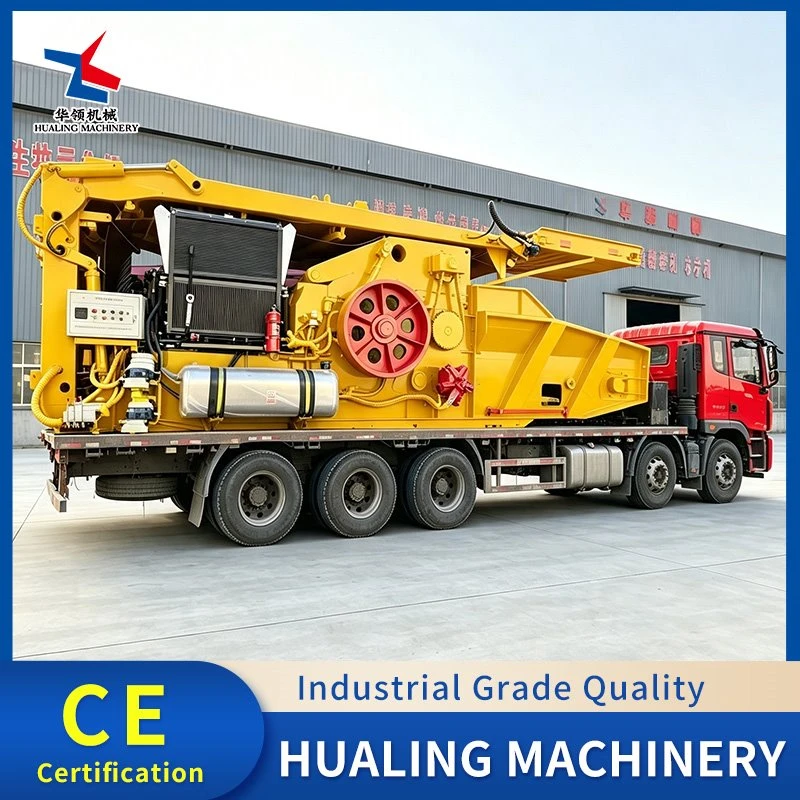
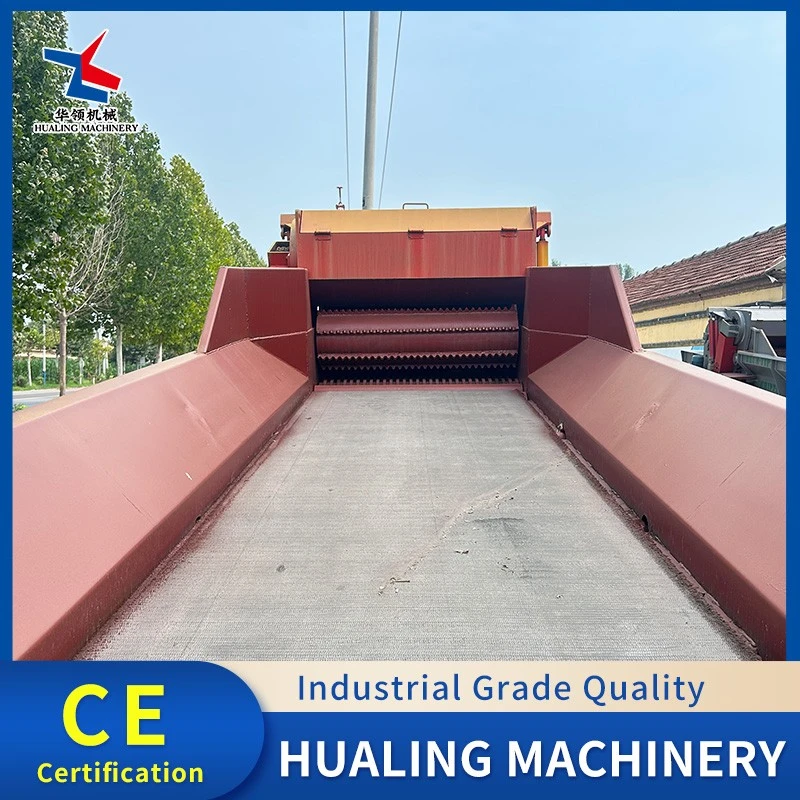
For example, if large pieces of wood are fed too quickly into the chipper, it can overload the blades and the drive system. This can result in the chipper jamming or shaking violently. On the other hand, a slow and steady feed of appropriately sized wood pieces allows the chipper to operate more smoothly. Some belt - type wood chippers come with automatic feed systems that can help regulate the flow of wood, which can improve stability.
5. Terrain and Placement
Where you place and operate the belt - type wood chipper matters a great deal. Operating on uneven or soft ground can make the chipper unstable. If the ground is sloped, there's a risk of the chipper tipping over, especially when it's in motion. It's important to find a flat and solid surface to set up the chipper.
If possible, use stabilizing legs or pads to provide additional support. These can distribute the weight of the chipper more evenly and reduce the chances of it sinking or shifting. When working on different types of terrain, consider using specialized models. For example, the Fully Hydraulic Tracked Wood Chipper is designed to operate on various terrains with better stability due to its tracked structure.
6. Maintenance and Upkeep
Regular maintenance is a must for keeping a belt - type wood chipper stable. This includes cleaning the chipper after each use to prevent the buildup of wood chips and debris. Accumulated debris can interfere with the moving parts and cause imbalances, leading to instability.
Checking and replacing worn - out parts is also essential. Components like the blades, belts, and bearings will wear over time. Worn blades can cause uneven chipping, which in turn can create vibrations. Worn belts and bearings can lead to inconsistent power transmission and increased wear on other parts of the chipper.
7. Operator Training
Last but not least, the operator of the belt - type wood chipper has a big impact on its stability. A well - trained operator knows how to handle the chipper properly, including feeding the wood at the right rate and speed. They also understand the importance of regular maintenance and safety procedures.
An inexperienced or careless operator may make mistakes that can affect the stability of the chipper. For example, they may overfeed the chipper or operate it on unsuitable terrain. Providing proper training to operators can significantly reduce the risk of stability - related issues.
In conclusion, the stability of a belt - type wood chipper is influenced by multiple factors, from its design and structure to the operator's skills. By paying attention to these factors, you can ensure that your belt - type wood chipper operates safely and efficiently.
If you're in the market for a high - quality belt - type wood chipper or have any questions about stability and performance, don't hesitate to contact us for a procurement discussion. We're here to help you find the perfect solution for your wood processing needs. Whether you need a Fully Hydraulic Mobile Wood Chipper or a Truck - Mounted Wood Chipper, we've got you covered.
References
- Wood Chipper Handbook: A Guide to Operation and Maintenance.
- Industry Studies on Wood Chipper Performance and Stability.