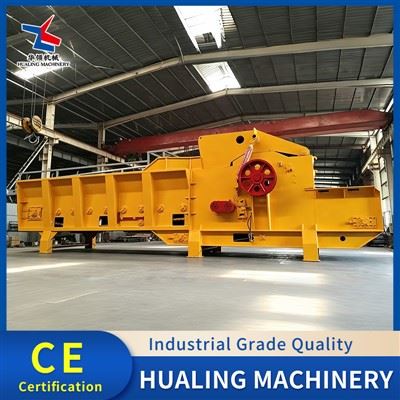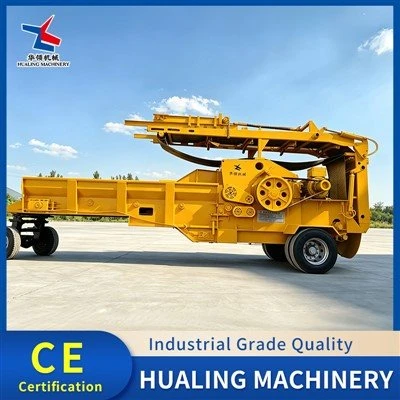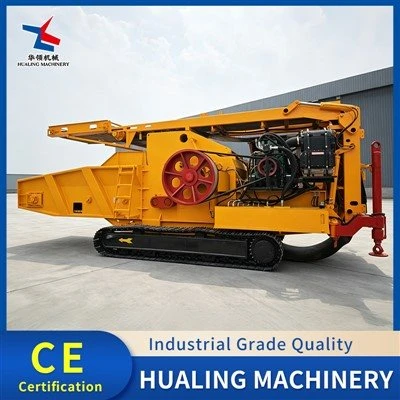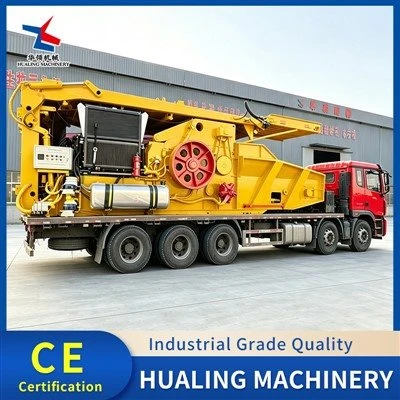

Hey there! I'm a supplier of Truck - Mounted Wood Chippers, and I know how frustrating it can be when your machine malfunctions. But don't worry, I'm here to walk you through some troubleshooting steps to get your wood chipper up and running again.
Initial Checks
Before you dive into complex repairs, it's always good to start with the basics. First off, check the fuel levels. A low fuel tank might seem like an obvious issue, but it's often overlooked. Sometimes, the engine just needs a little more juice to start working properly. If you're using a diesel - powered chipper, make sure the fuel isn't contaminated. Water or debris in the fuel can cause major problems with the engine's performance.
Next, take a look at the oil. Low oil levels can lead to overheating and engine damage. Check the dipstick to make sure the oil is at the appropriate level. If it's low, top it off with the recommended oil type. And don't forget to check the oil for any signs of metal shavings or other contaminants. If you see anything suspicious, it could indicate a more serious problem with the engine.
Electrical System
The electrical system is a common culprit when it comes to wood chipper malfunctions. Start by checking the battery. Make sure the terminals are clean and tight. Corroded or loose terminals can prevent the battery from supplying power to the engine. You can use a wire brush to clean the terminals and a wrench to tighten them.
If the battery is okay, check the fuses. A blown fuse can cut off power to important components of the chipper. Locate the fuse box (it's usually in an easily accessible area) and use a fuse tester to check each fuse. If you find a blown fuse, replace it with a fuse of the same amperage.
The starter motor is another key part of the electrical system. If the engine won't turn over, the starter might be the problem. You can test the starter by listening for a clicking sound when you turn the key. If you hear a click but the engine doesn't start, it could be a problem with the starter solenoid or the starter motor itself.
Belt and Chain Checks
Truck - Mounted Wood Chippers rely on belts and chains to transfer power from the engine to the cutting components. Check the belts for signs of wear, such as cracks, fraying, or slack. If a belt is worn out, it won't be able to transfer power efficiently, which can lead to reduced performance or even cause the chipper to stop working altogether. You may need to adjust the tension of the belt or replace it if it's too worn. When it comes to chains, make sure they are properly lubricated and tensioned. A loose chain can skip or fall off, while an overly tight chain can cause excessive wear on the sprockets and other components.
Here, if you're interested in the Motor Of Belt Conveyor Wood Chipper, it can give you more insights into the power source and related components.
Hydraulic System (if applicable)
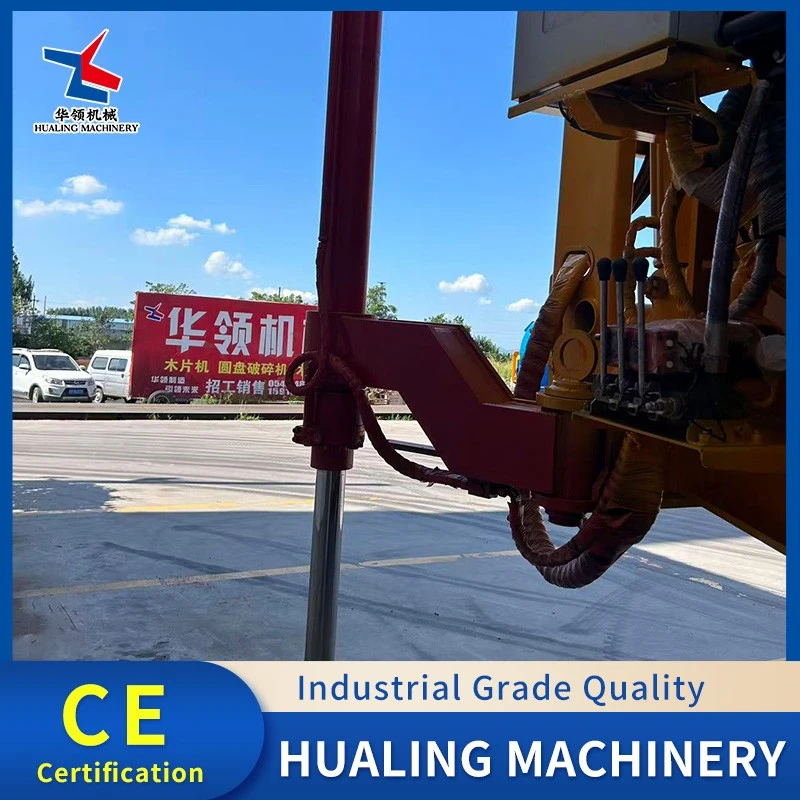
Many modern Truck - Mounted Wood Chippers come with a hydraulic system to control various functions, like the feed mechanism or the operation of the blades. If your chipper has a hydraulic system, start by checking the hydraulic fluid level. Low fluid levels can cause the system to lose pressure and not function properly. Check for any leaks in the hydraulic lines, fittings, or cylinders. Leaks can result in a loss of fluid and reduced performance.
If you notice any strange noises or jerky movements when operating the hydraulic functions, it could indicate a problem with the hydraulic pump, valves, or other components. In such cases, it might be best to consult a professional who has experience with hydraulic systems.
Cutting Components
The cutting blades are the heart of the wood chipper. Over time, the blades can become dull, damaged, or misaligned. A dull blade will make it difficult to chip wood efficiently, and it can also put extra strain on the engine. Inspect the blades regularly for signs of wear, nicks, or chips. If the blades are dull, you can sharpen them using a grinder or a sharpening stone. Make sure to follow the manufacturer's guidelines for blade sharpening to maintain the proper edge.
If the blades are damaged beyond repair, you'll need to replace them. When installing new blades, make sure they are properly aligned. Misaligned blades can cause uneven cutting and put additional stress on the machine.
Feed Mechanism
The feed mechanism is responsible for pushing the wood into the cutting area. If the feed mechanism isn't working correctly, the wood won't be fed evenly, which can lead to jams and reduced performance. Check the feed rollers for any debris or foreign objects that might be preventing them from turning smoothly. Clean the feed rollers and make sure they are properly lubricated.
If the feed rollers seem to be slipping or not engaging properly, it could be a problem with the drive system or the tension of the belts or chains that power the feed mechanism. Adjust the tension as needed or check for any mechanical issues with the drive system.
Exhaust System
The exhaust system plays an important role in the performance of the chipper. A clogged or damaged exhaust system can cause the engine to run poorly, overheat, or even stall. Check the exhaust pipe for any blockages, such as debris or soot buildup. If you find a blockage, you can try to remove it using a wire brush or compressed air.
Inspect the exhaust system for any signs of damage, such as holes or leaks. A damaged exhaust system can release harmful gases into the environment and also affect the engine's performance. If you notice any damage, replace the damaged parts as soon as possible.
We also supply Fully Hydraulic Tracked Wood Chipper, Truck-Mounted Wood Chipper, and Fully Hydraulic Mobile Wood Chipper. If you're having trouble with any of these models, many of these troubleshooting steps can be applied.
When to Call a Professional
Sometimes, despite your best efforts, you might not be able to diagnose or fix the problem on your own. If you're dealing with a major engine issue, a complex hydraulic problem, or if you're unsure about how to proceed, it's best to call a professional technician. They have the expertise and tools to accurately diagnose and repair the issue.
Conclusion
Troubleshooting a malfunctioning Truck - Mounted Wood Chipper isn't always easy, but with a systematic approach, you can often identify and fix the problem. Regular maintenance is also crucial to prevent malfunctions from occurring in the first place.
If you're in the market for a new Truck - Mounted Wood Chipper or have any questions about troubleshooting or maintenance, feel free to reach out. We're here to help you make the right choice and keep your equipment running smoothly.
References
- Wood Chipper Maintenance Manuals
- Industry - related technical guides on power equipment troubleshooting