
Product Parameters
|
Name |
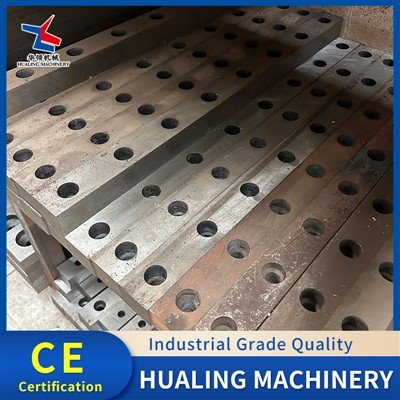
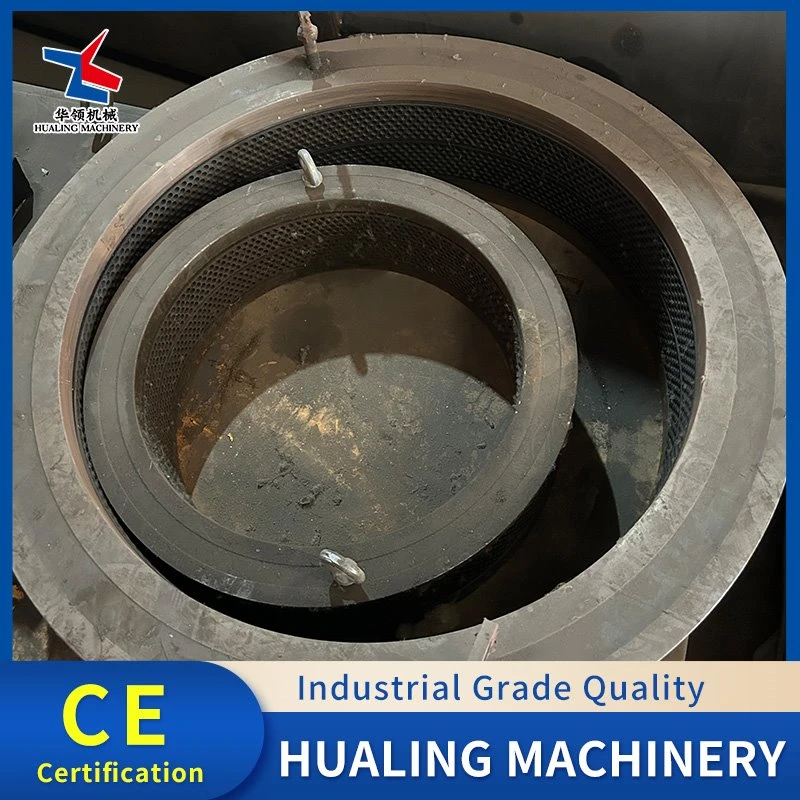
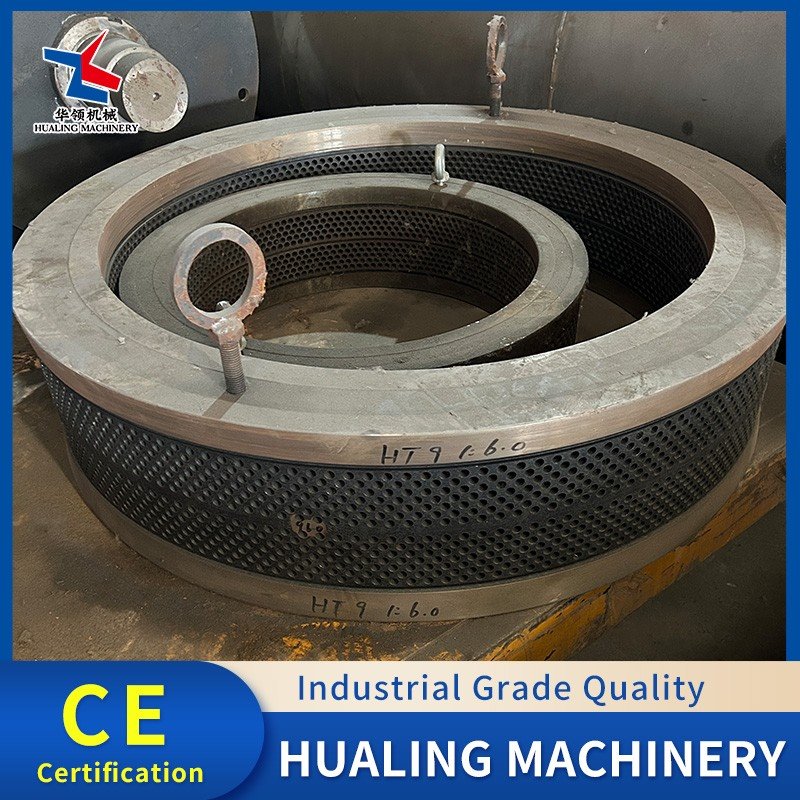
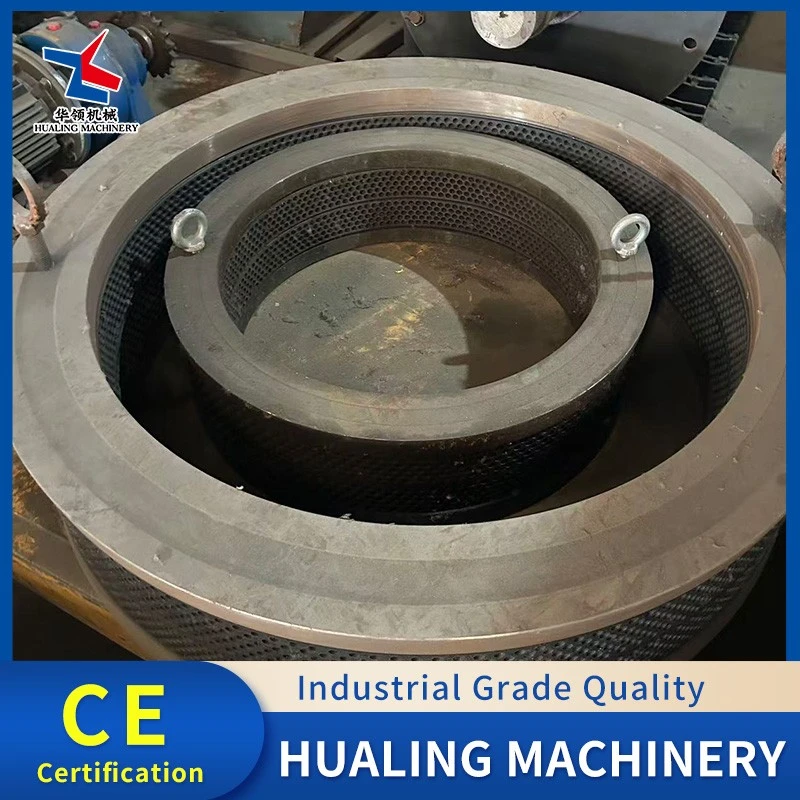
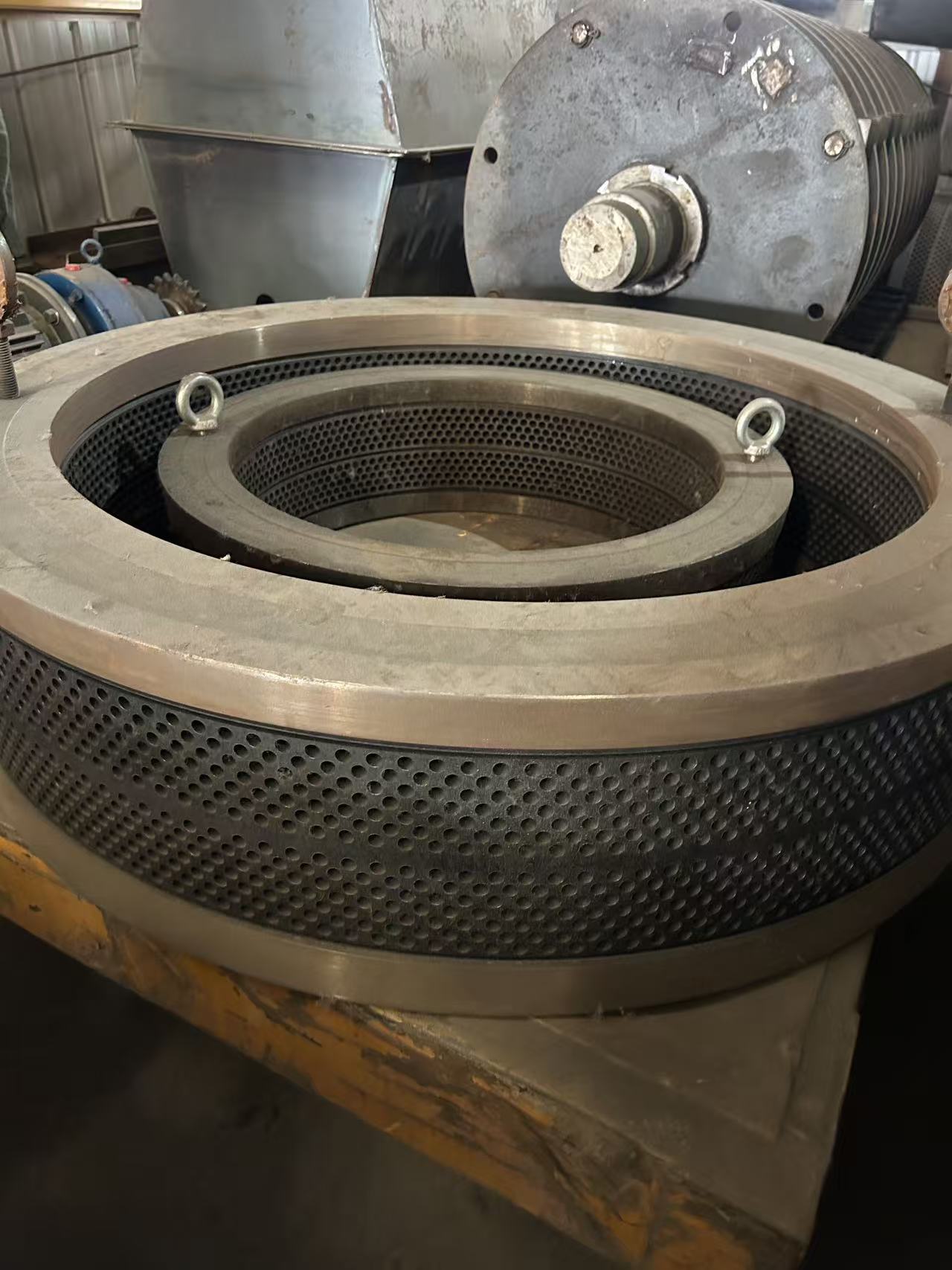
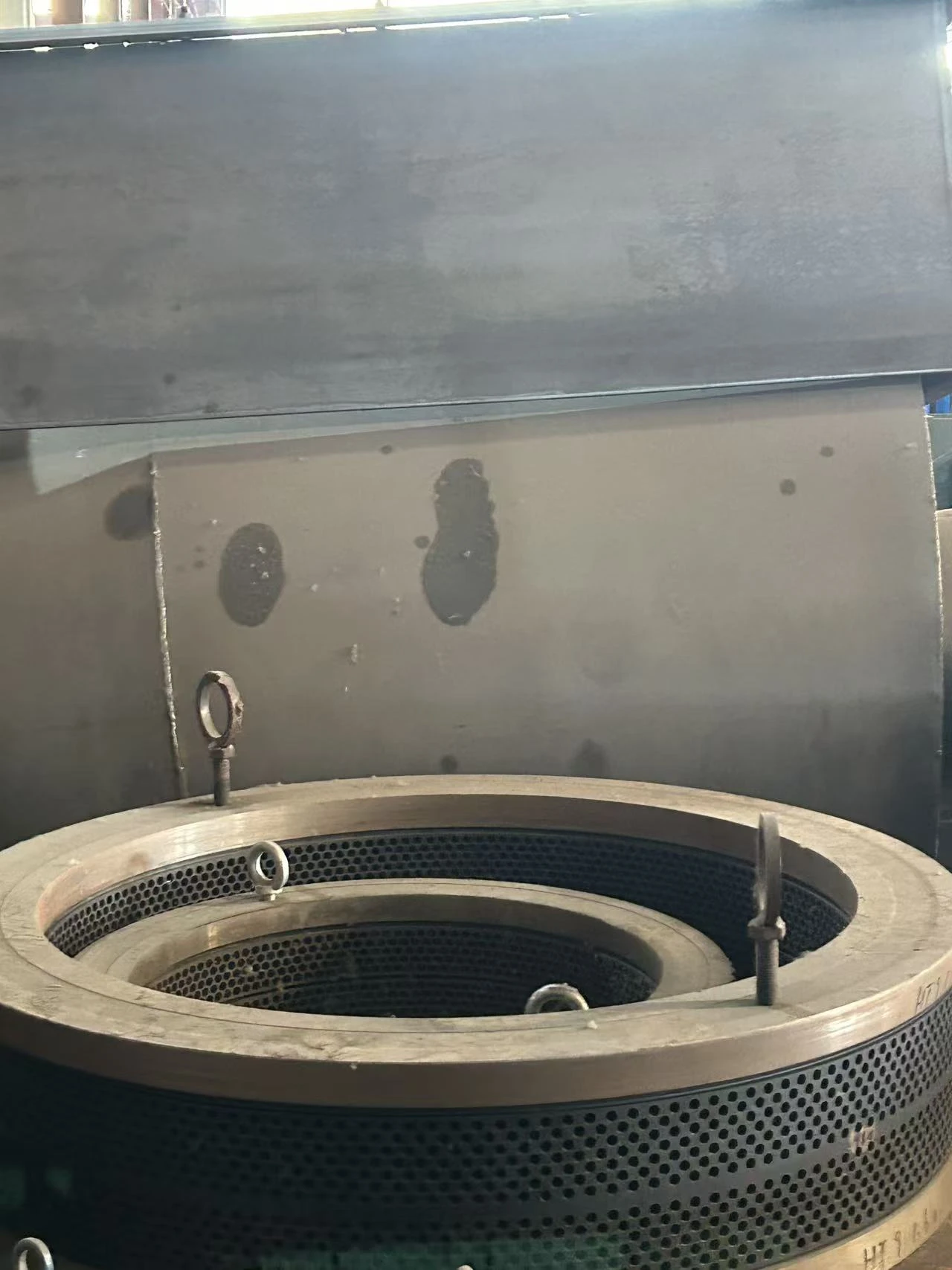
Mold for pellet mill |
|
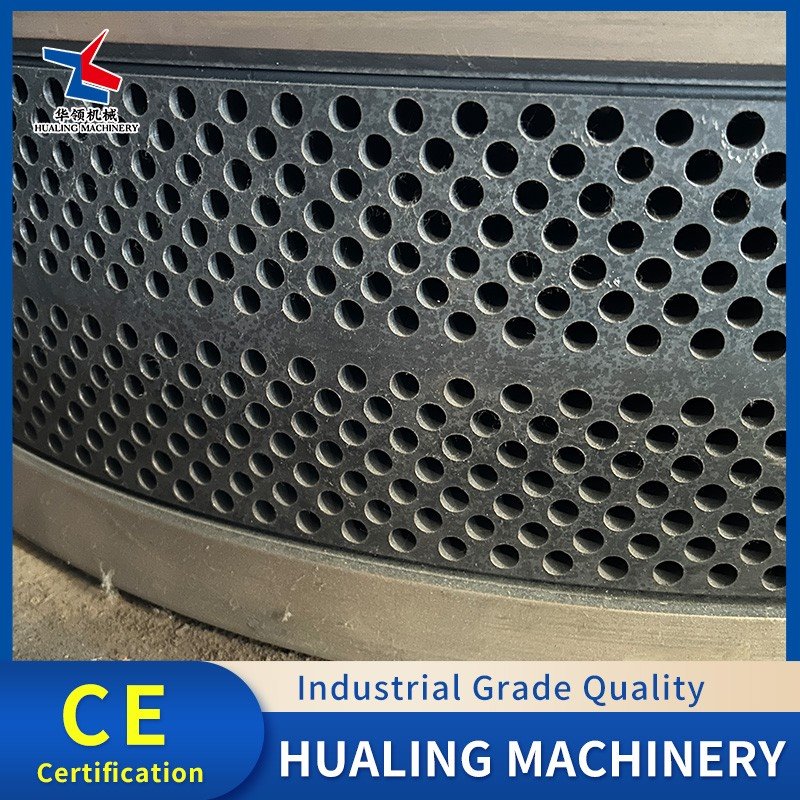
Hole Diameter (mm) |
1.5/2/2.5/3/4/5/6/8/10/12 |
|
Die Hole Length-to-Diameter Ratio (Thickness/Dole) |
4:1~5:1/5:1~6:1 |
|
Hole Wall Smoothness Ra (μm) |
≤0.8 |
|
Thickness (mm) |
45~80 |
|
Standard Pressure Roller Die Gap (mm) |
0.2~0.5 |
|
Temperature Range (°C) |
80~160 |
|
Suitable Raw Material Moisture Content (%) |
12~18 |
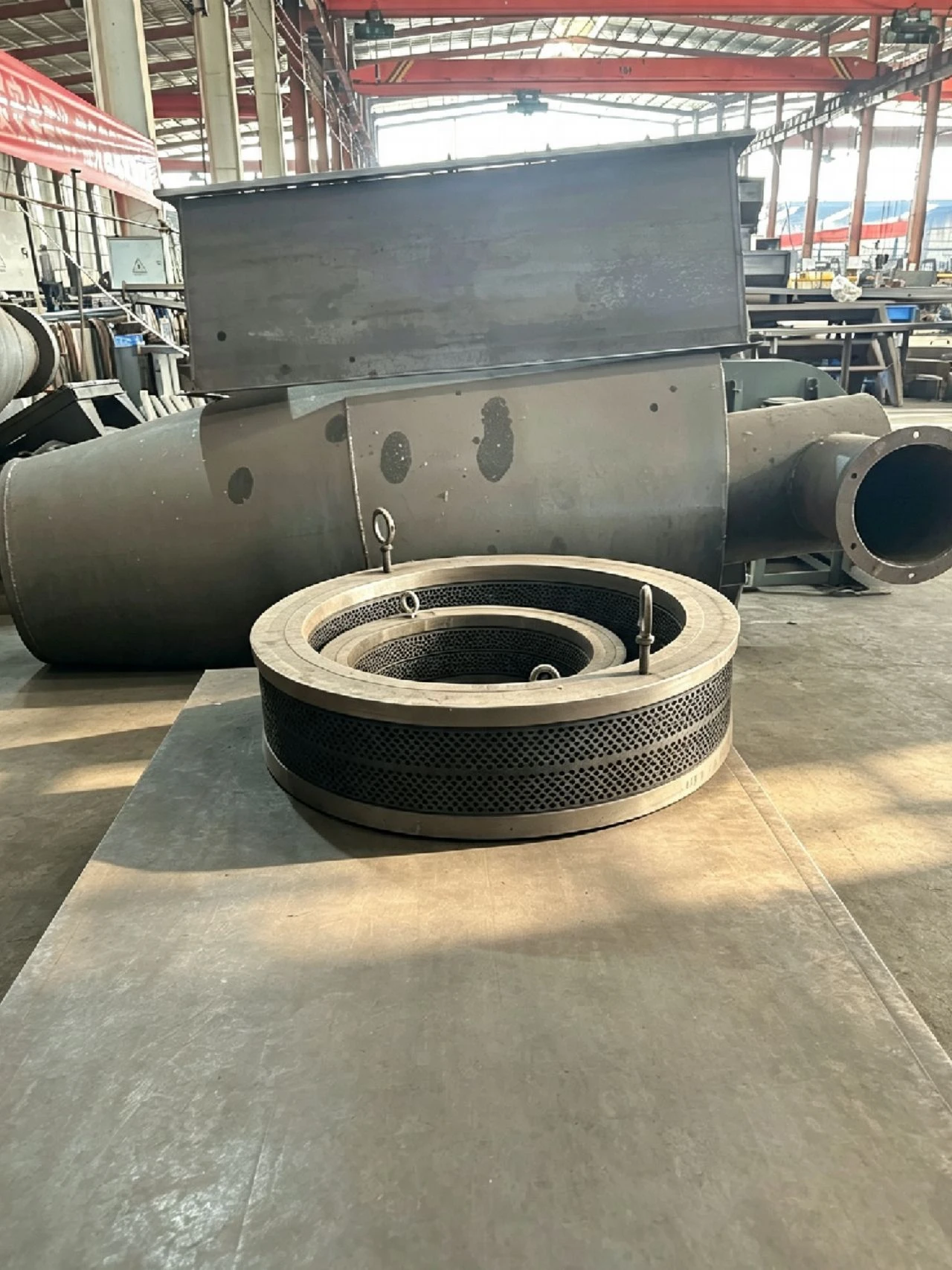
Product Features and Applications
Resists cracking under long-term high-temperature extrusion, suitable for continuous production around the clock
Uniform die diameter ratio, resulting in uniform particle size, less dust, and stable finished product hardness
Primarily used in flat die pellet mills; household, livestock, and mobile small granulation equipment
Product Details
01.
Multi-material grading selection, adaptable to various raw materials, reducing downtime for replacements
02.
Easy disassembly and assembly; simply open the cover to remove; high cleaning efficiency for frequent material changes
03.
Double-sided working surface; single-sided wear allows for flipping and reuse, halving consumable costs
Product Supporting Documents


After-Sales Service
Mold pellet mill is consumable parts and are not covered by after-sales warranty
FAQ
1)What is the normal service life of a mold?
A: 800-1500 hours under proper use with clean, dry sawdust
2)Does a thicker mold result in higher output?
A: No, a thicker mold does not necessarily mean higher output. The key factor is the effective die hole length (compression ratio)
3)If a stone causes a dent, can the mold still be used?
A: ①Dents on the outer edge of the non-working surface of the ring mold or the flange mounting surface: Grind smooth; this will not affect the pressure roller's crushing and material output; it can be used normally.
②Dents on the circumferential working surface of the pressure roller or around the die hole: Long-term use is not recommended
4) Can molds of the same model with different hole diameters be interchanged?
A: Ring molds of the same model with different hole diameters can be directly interchanged
5)What are the effects of alternating between new and old molds?
A: ①Unstable output molding rate
②Accelerated damage to bearings, pressure rollers, and locking sleeves
③Increased risk of failure in reducers and motors due to long-term load fluctuations
6)What causes excessive vibration and noise during mold operation?
A: ①Wood chips and debris on the bottom surface of the ring mold installation, uneven end face
②Loose locking plate on the main shaft, causing axial movement and jumping of the ring mold
③Wear and slippage of the tapered surface of the expansion sleeve (locking sleeve)
Hot Tags: mold for pellet mill, China mold for pellet mill manufacturers, suppliers, factory