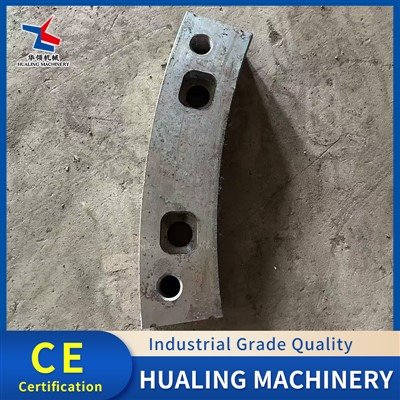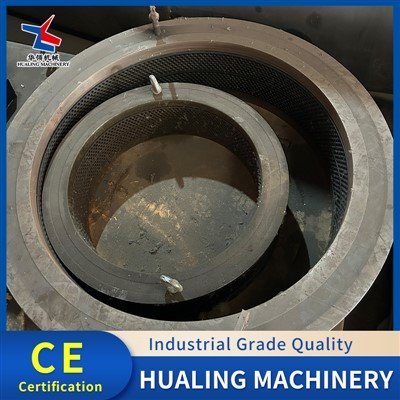

Product Parameters
|
Name |
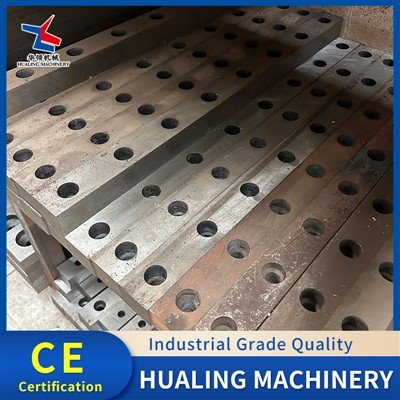
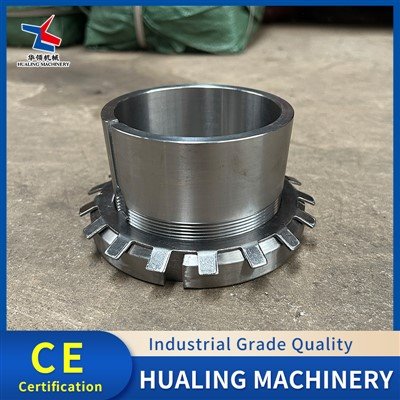
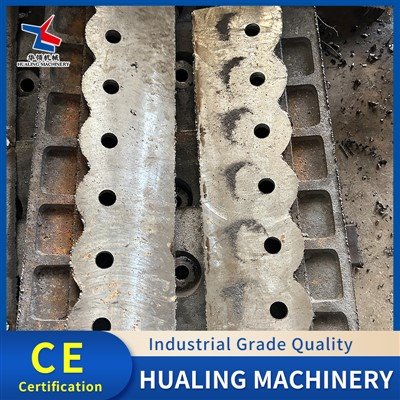
Lock plate for pellet mill |
|
Thickness (mm) |
2.0/2.5/3.0/3.0-4.0/4.0 |
|
Inner Hole (φ) |
85/100/130/160/190 |
|
Width (mm) |
14/16/18/20 |
|
Clamp (piece) |
6/8/10 |
|
Operating Temperature (°C) |
80-160 |
Product Features and Applications
Made of high-temperature resistant material, will not anneal or lose elasticity at approximately 120℃ in the granulation chamber
Thickened design suitable for large, heavy-duty pellet mills, less prone to cracking during long-term bending
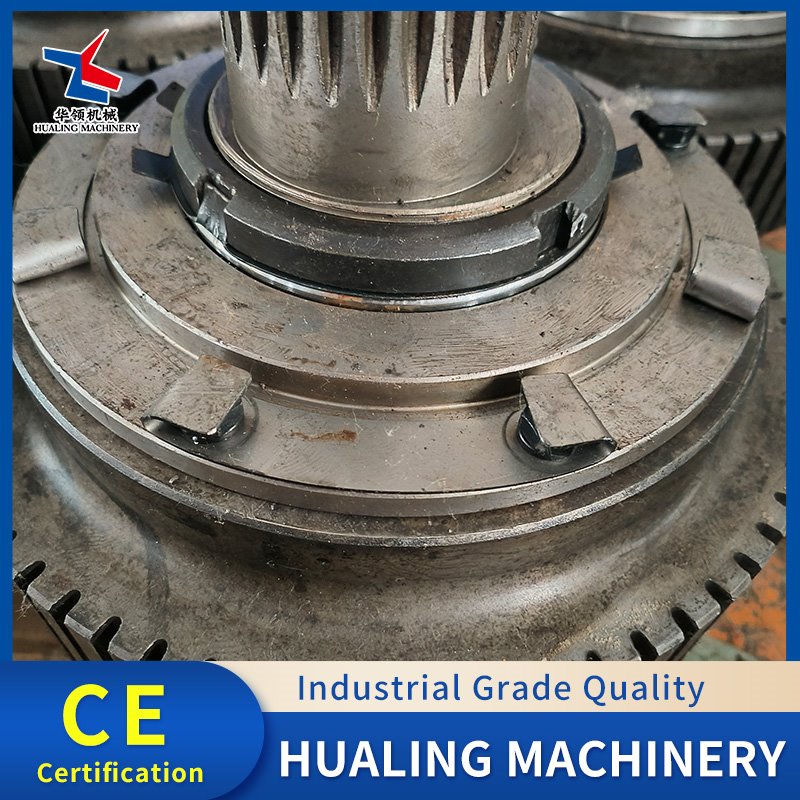
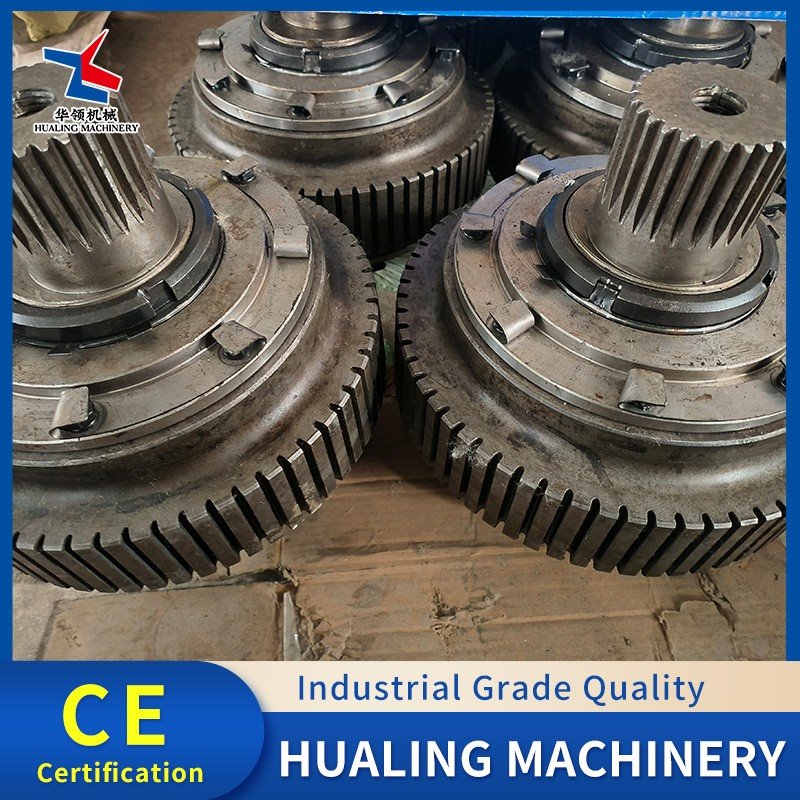
Suitable for pressure rollers and main shafts in pellet mills
Product Details
01.
Reliable locking plate tightens, reducing sawdust and dust entering the bearing cavity, significantly reducing bearing replacement frequency
02.
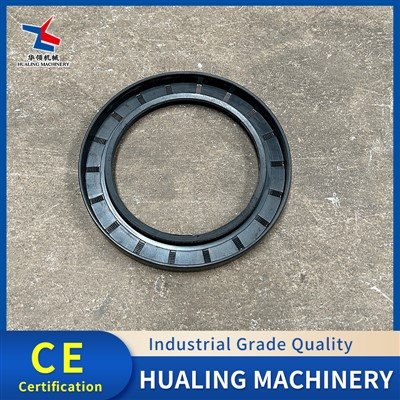
Locking plate fits snugly against the nut end face, assisting the oil seal to improve sealing effect
03.
Flat fit against the nut end face, no warping, ensuring full-plane fit
Product Certification


After-Sales Service
Locking plates for pellet mills are consumable parts and are not covered by after-sales warranty
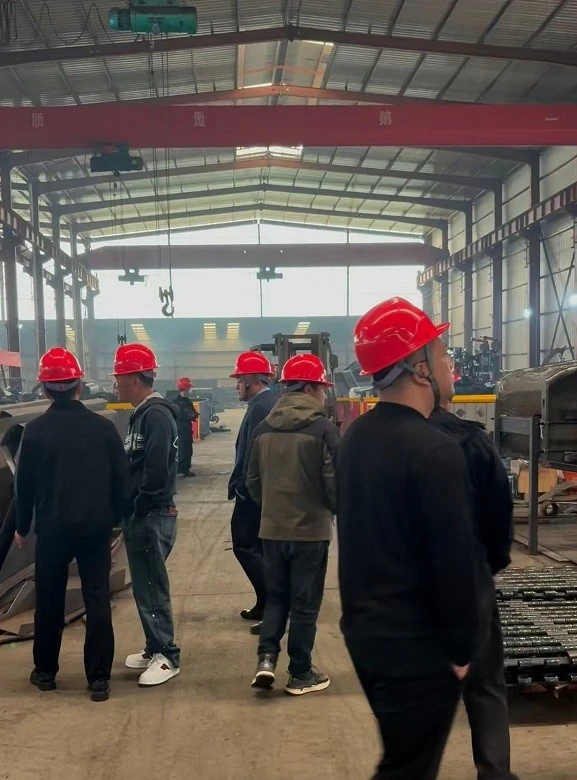
FAQ
1)What causes the locking plate claws to break and the pressure roller nut to loosen frequently?
A: ①Insufficient tightening torque
② The locking plate material is too thin
③ The pressure roller operates eccentrically, resulting in uneven force distribution
2) Is it okay to use only spring washers to prevent loosening without locking plates?
A: Absolutely not. Spring washers cannot replace locking plates for preventing loosening
3)What is the normal service life of a set of locking plates?
A: Under proper installation and no-impact, idle operating conditions: 5000–8000 hours
4)Are the pressure roller locking plates and the main shaft locking plates interchangeable?
A: The pressure roller small locking plates and the main shaft large locking plates are not interchangeable
5)Can a slightly deformed locking plate be reused after correction?
A: Reusing a slightly deformed locking plate after correction is not recommended due to extremely high risk
6)What machine malfunctions will a loose main shaft locking plate cause?
A: ①Uneven stress on the ring die leads to rapid one-sided wear and die hole deformation, resulting in scrap
②Instantaneous burnout of the pressure roller bearing and cracking of the pressure roller housing
③Excessive coaxiality of the main shaft causes severe vibration of the entire machine
Hot Tags: lock plate for pellet mill, China lock plate for pellet mill manufacturers, suppliers, factory, electric wood chipper parts, Lock Set For Wood Chipper, pellet mill components, spare parts for pellet mill machine, wood chipper and pellet mill spare part, wood chipper parts diagram